
Battleship Diplomat Launches in Tokyo: Parthenon Japan Hosts Author Nancy Snow
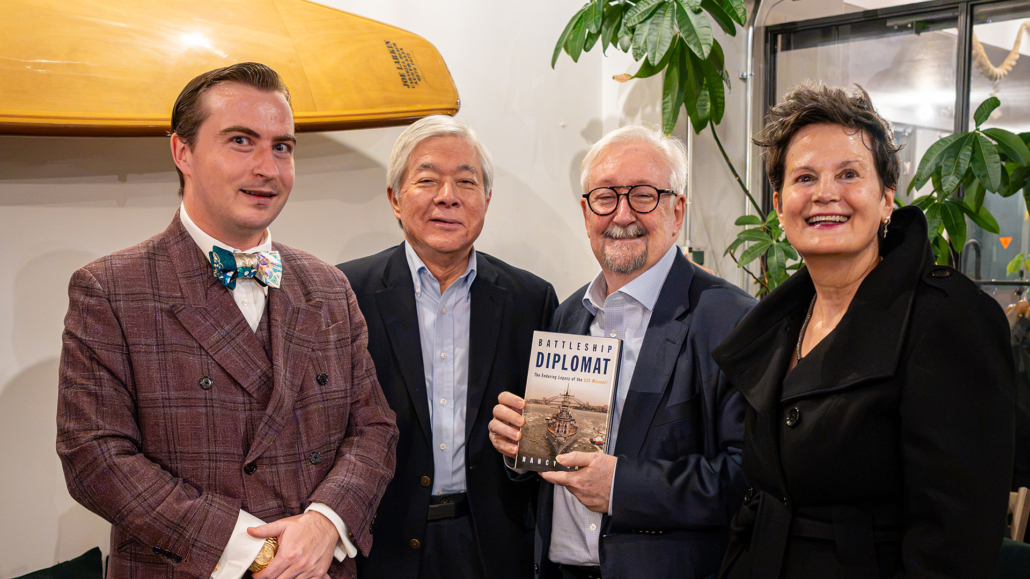
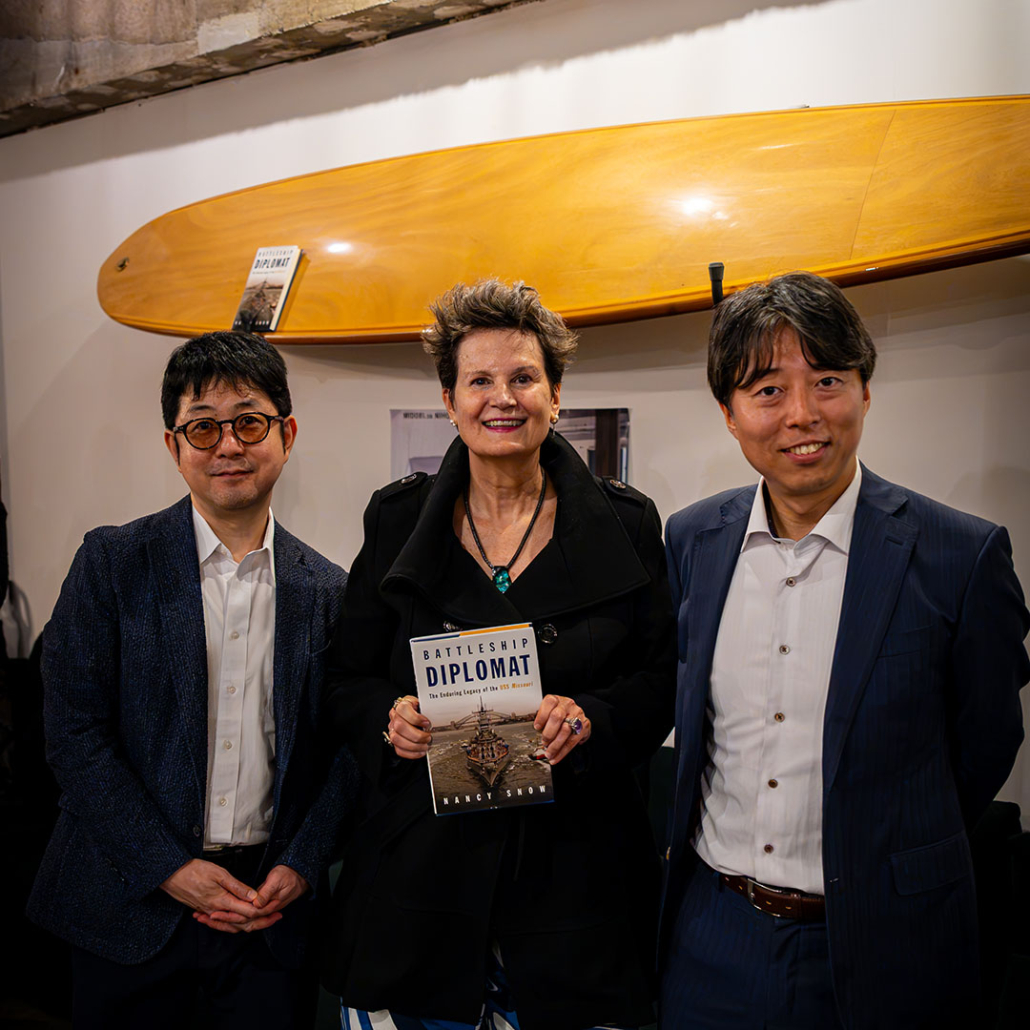
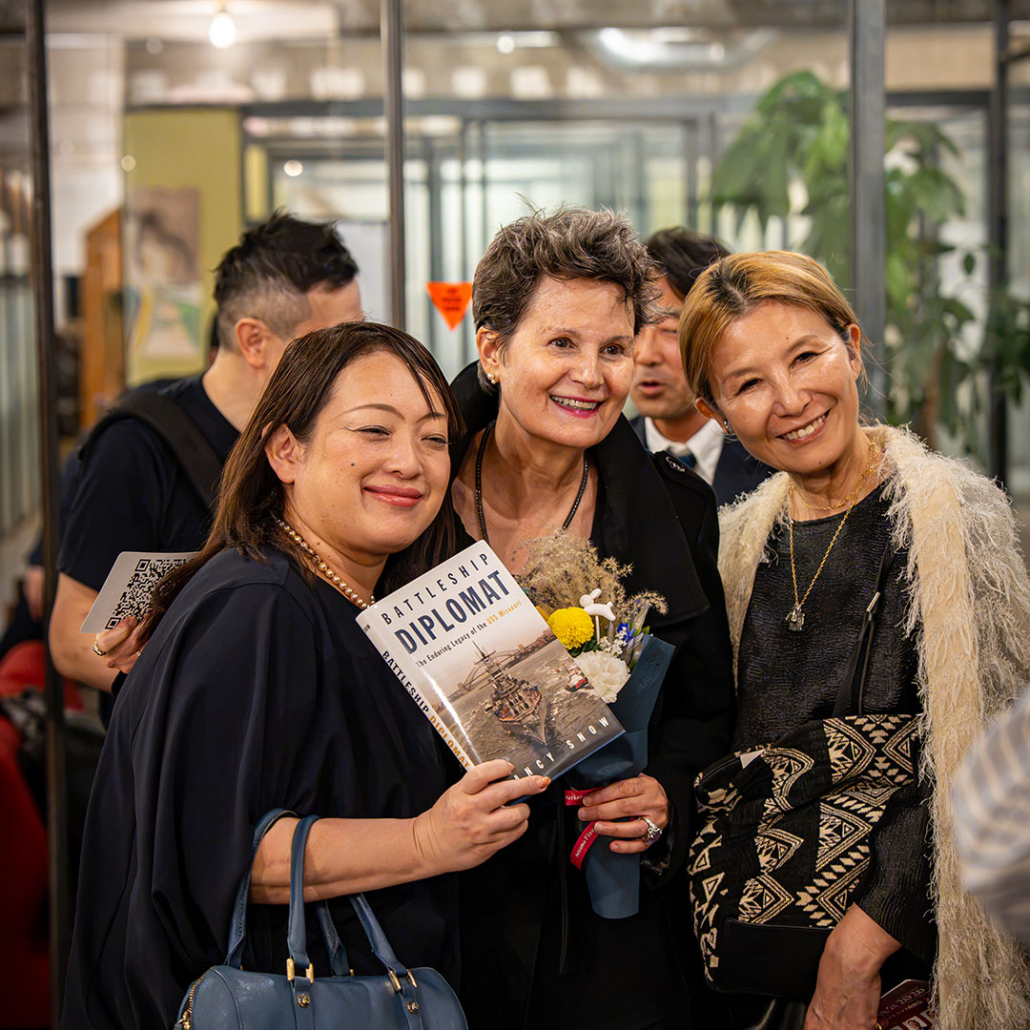
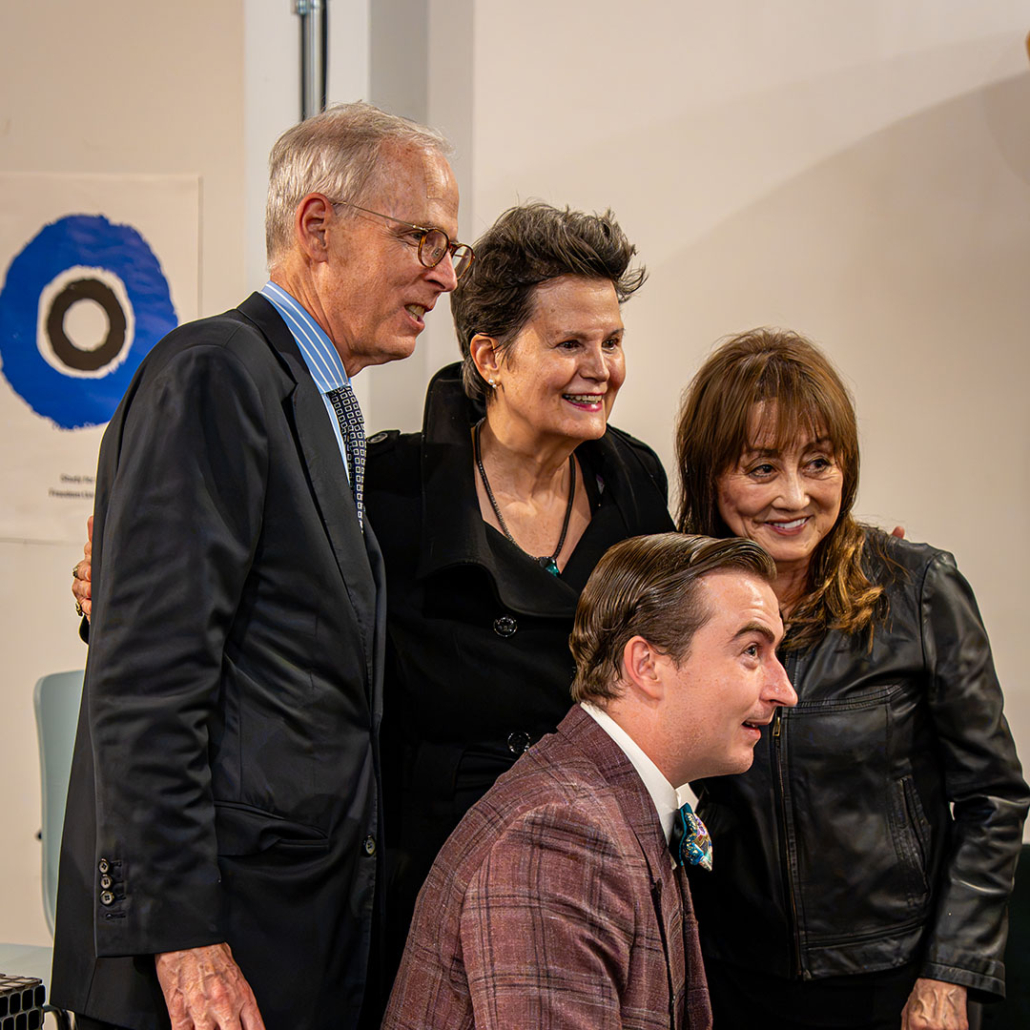
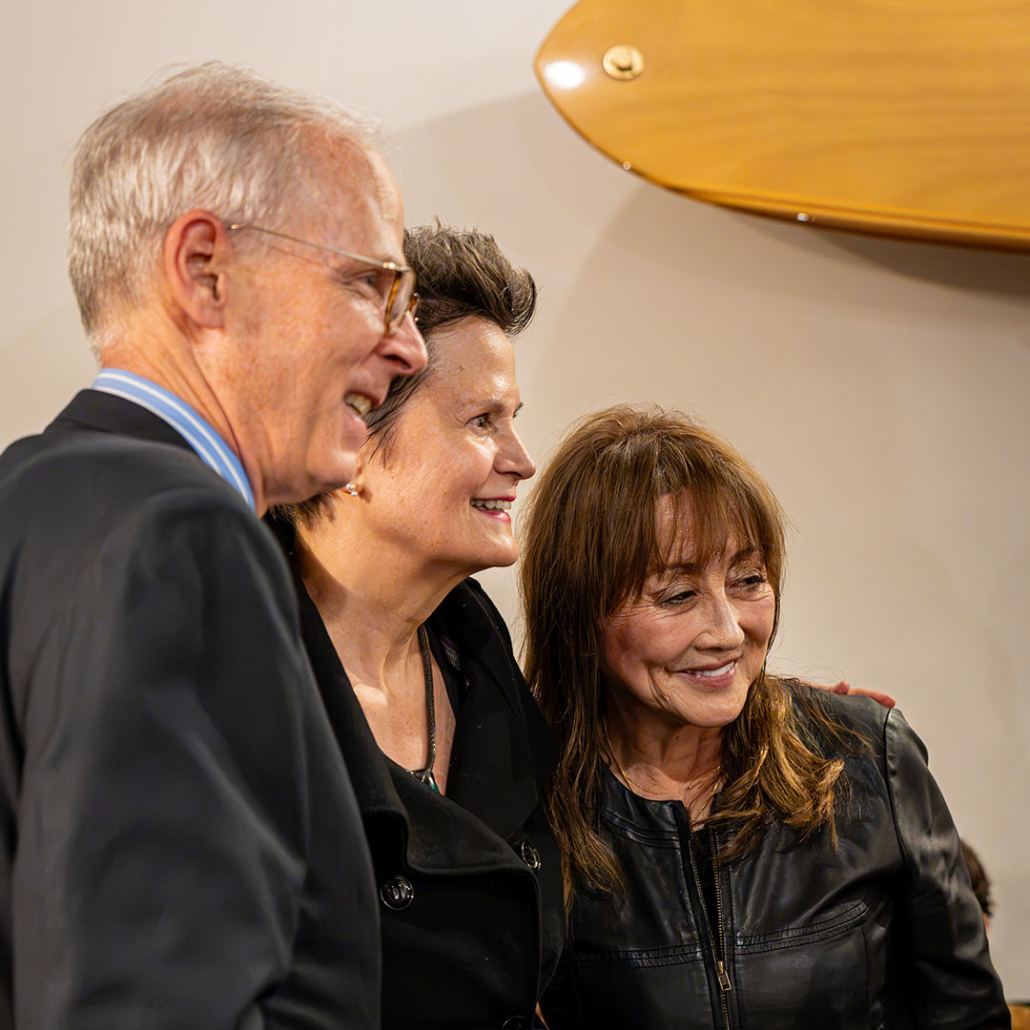
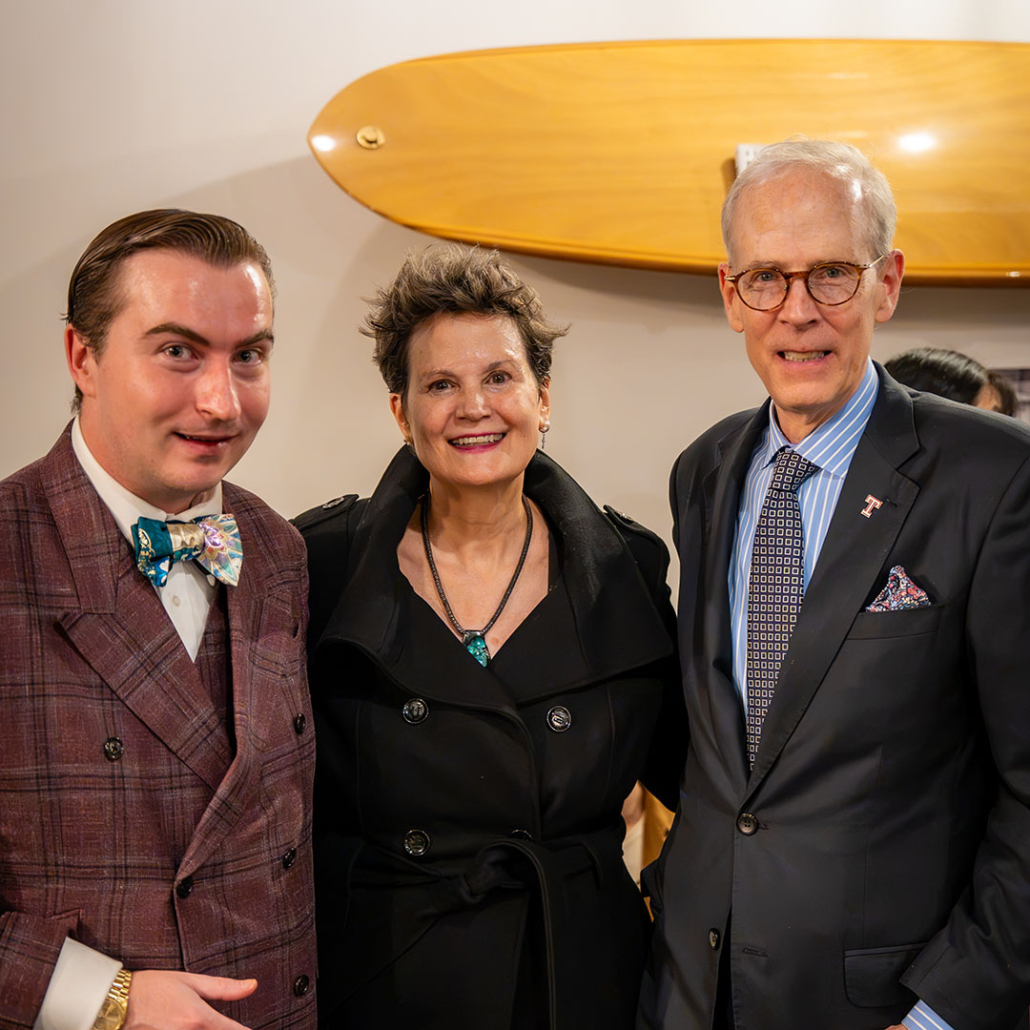
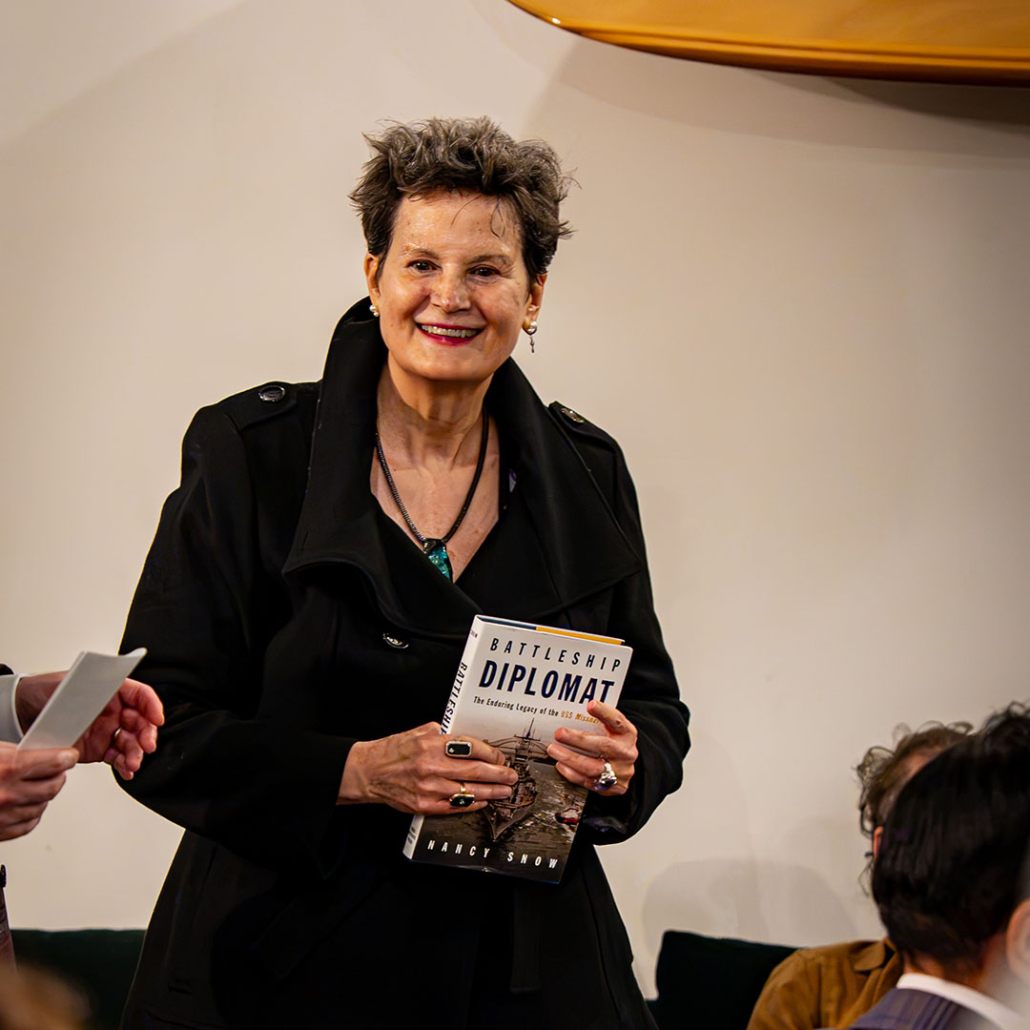
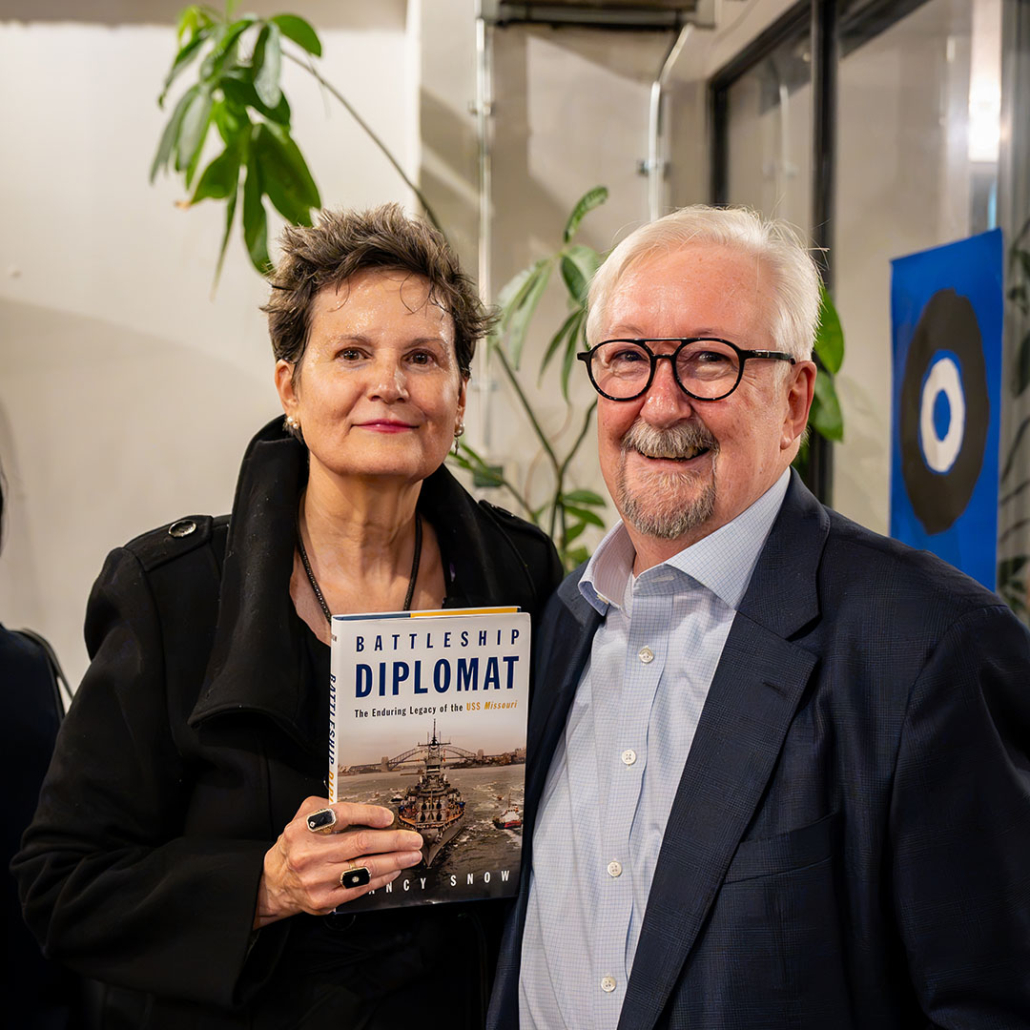
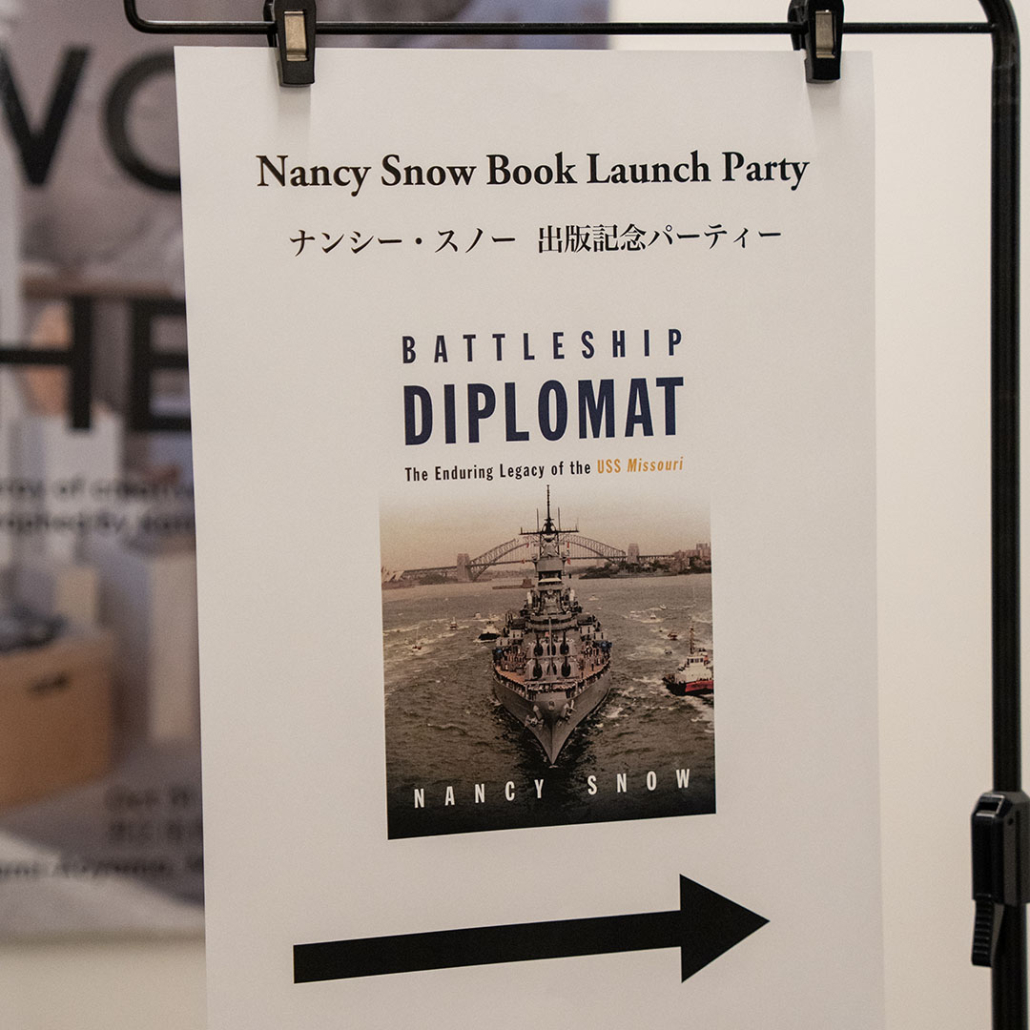
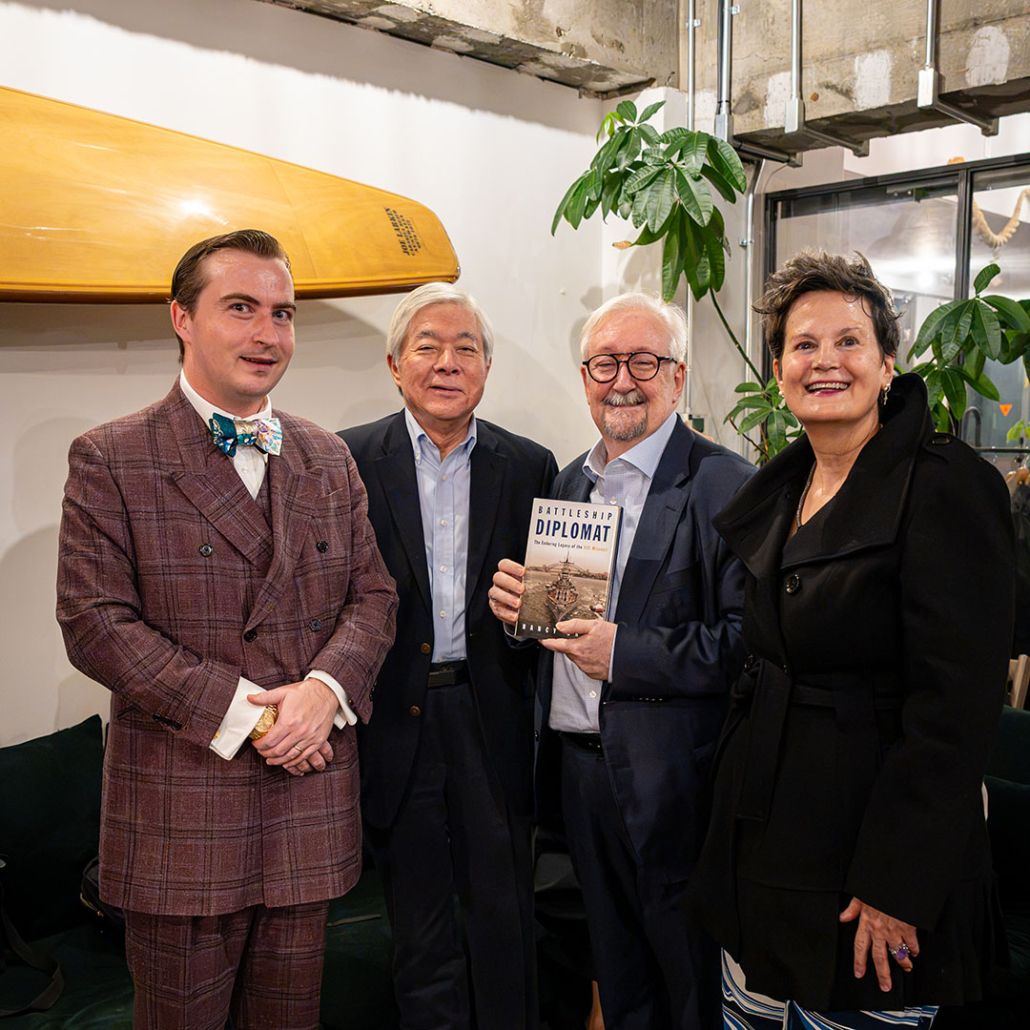
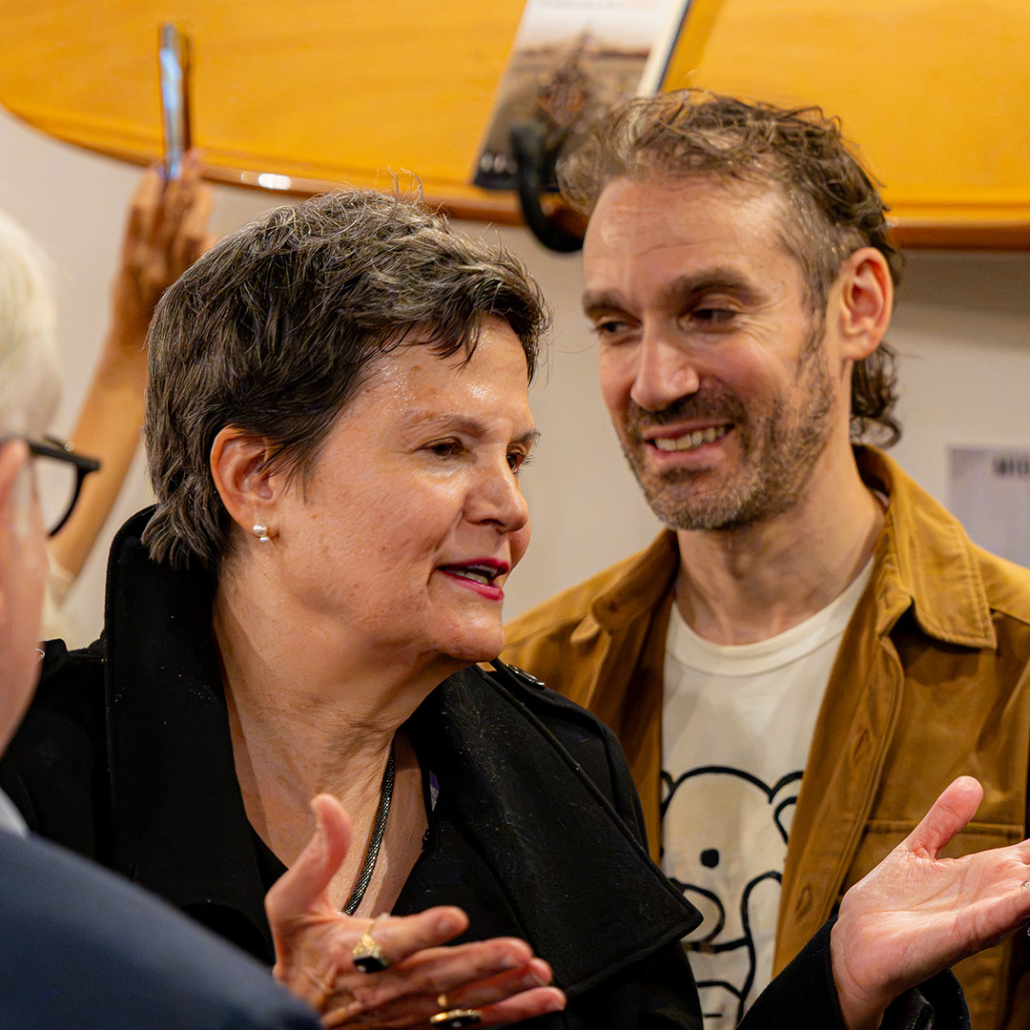
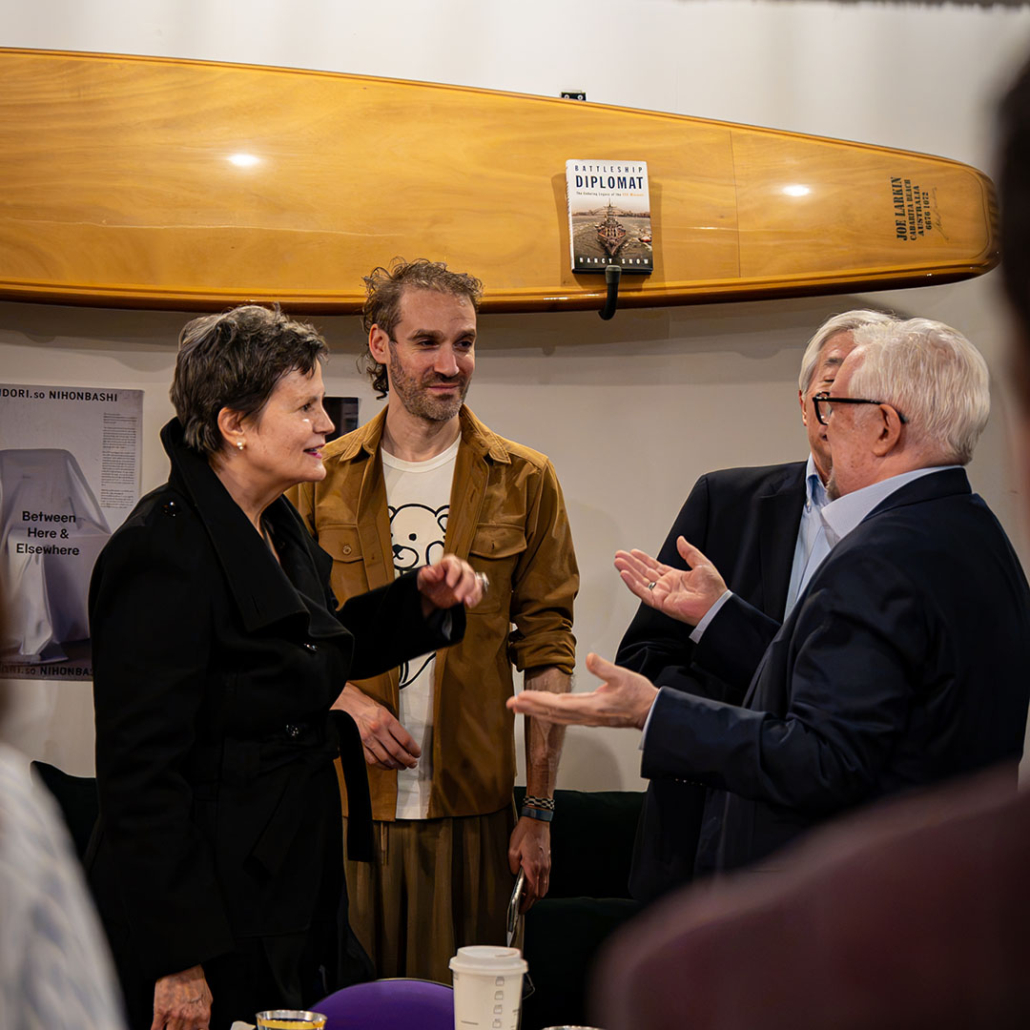
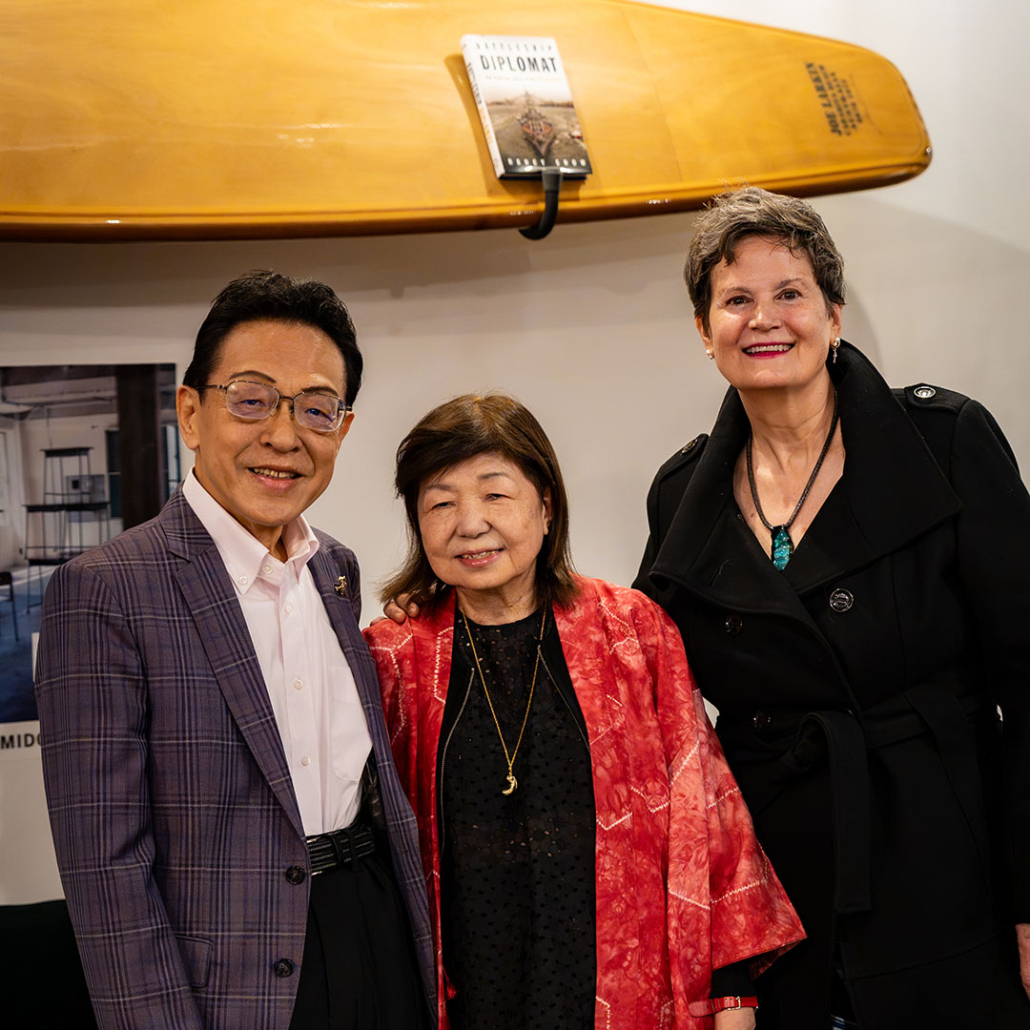
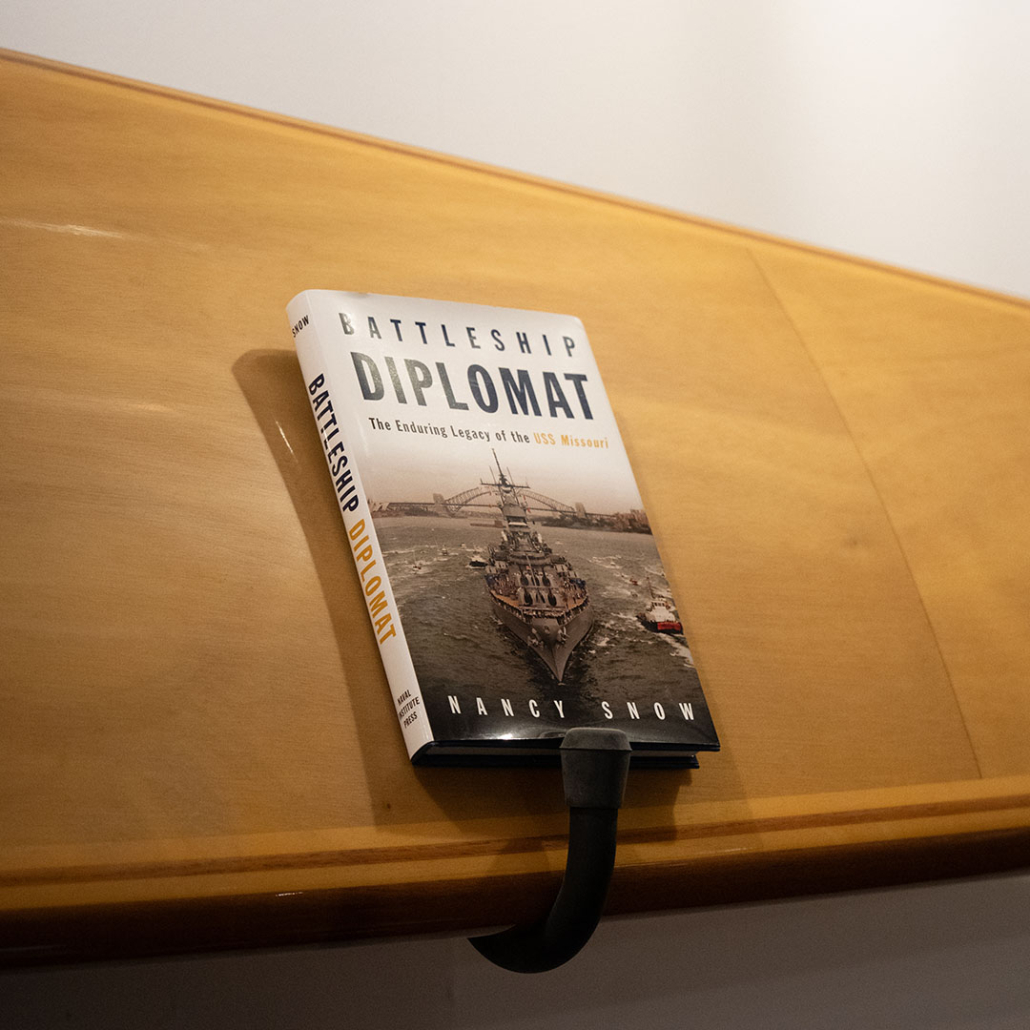
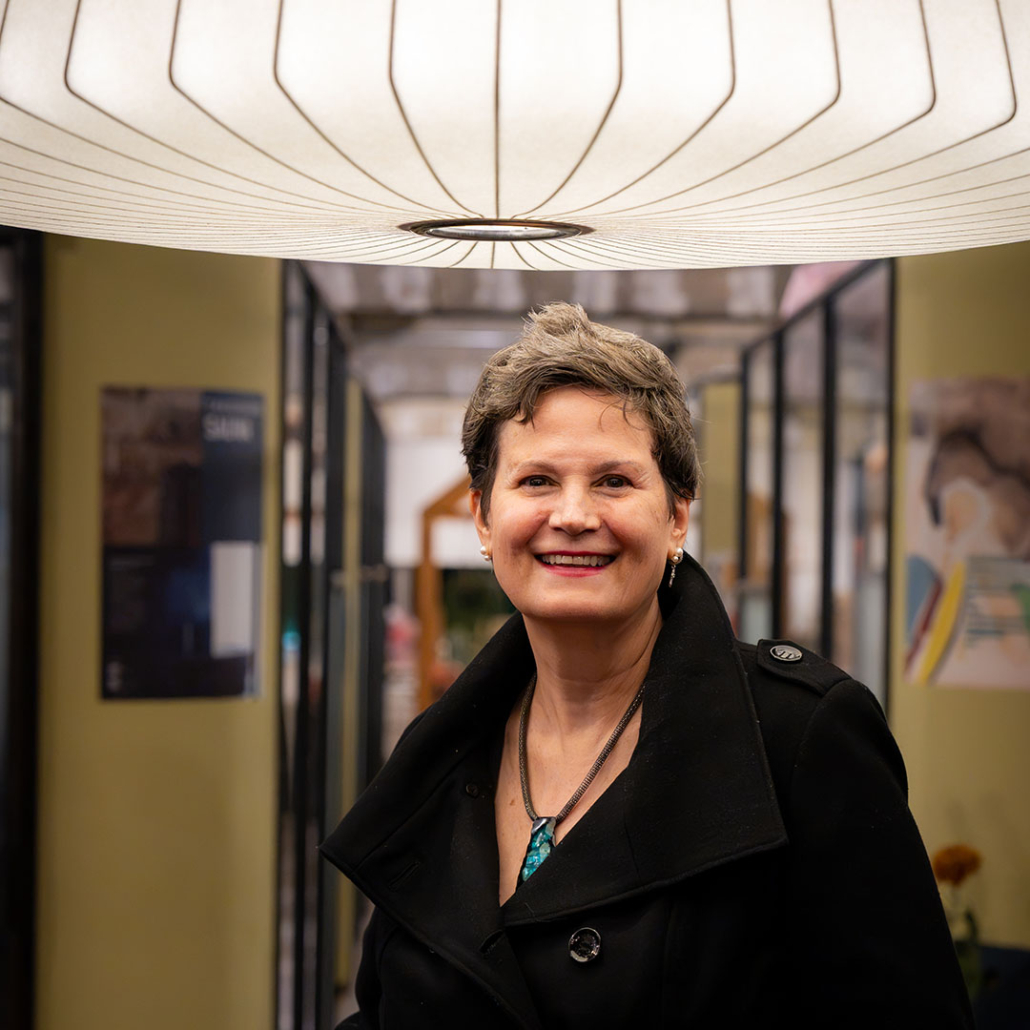
On October 22, 2026, Parthenon Japan hosted a celebration marking the publication of Dr. Nancy Snow’s latest book, Battleship Diplomat: The Enduring Legacy of the USS Missouri, published by Naval Institute Press.
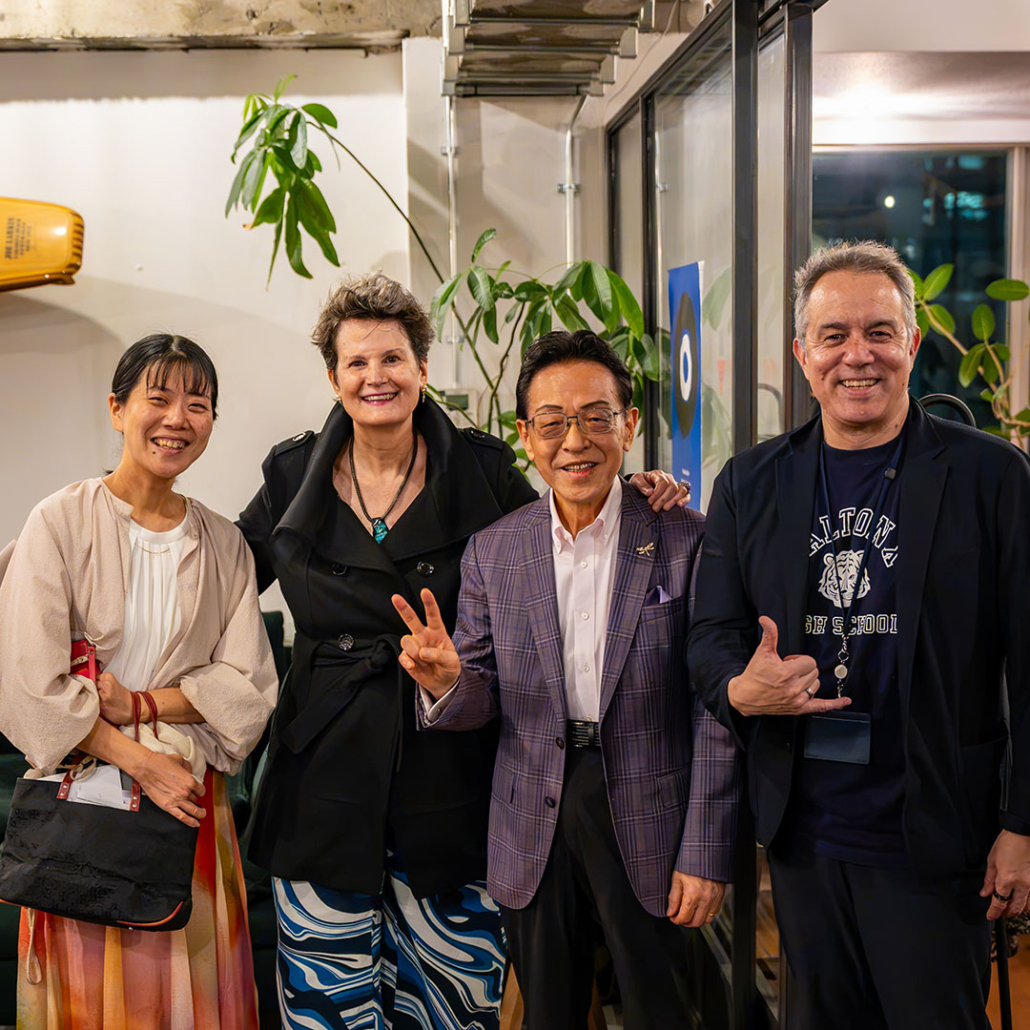
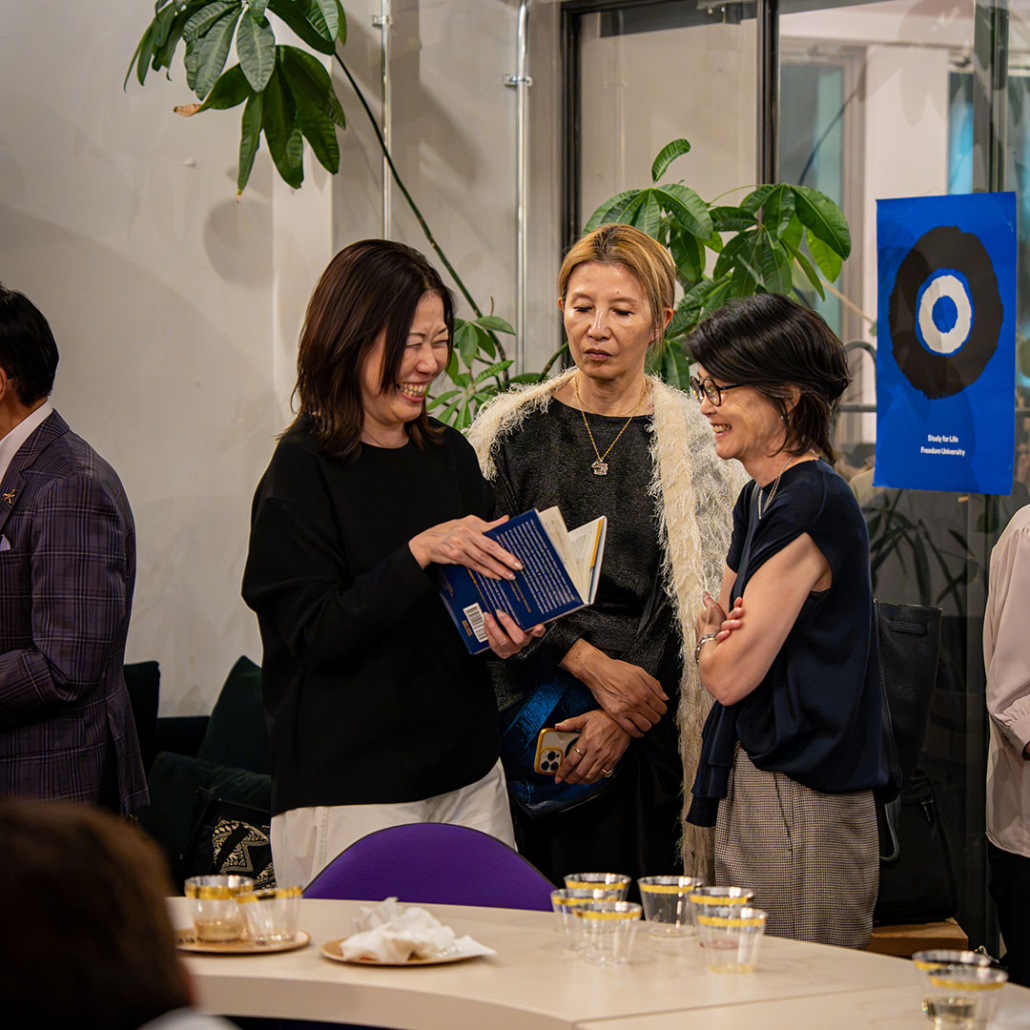
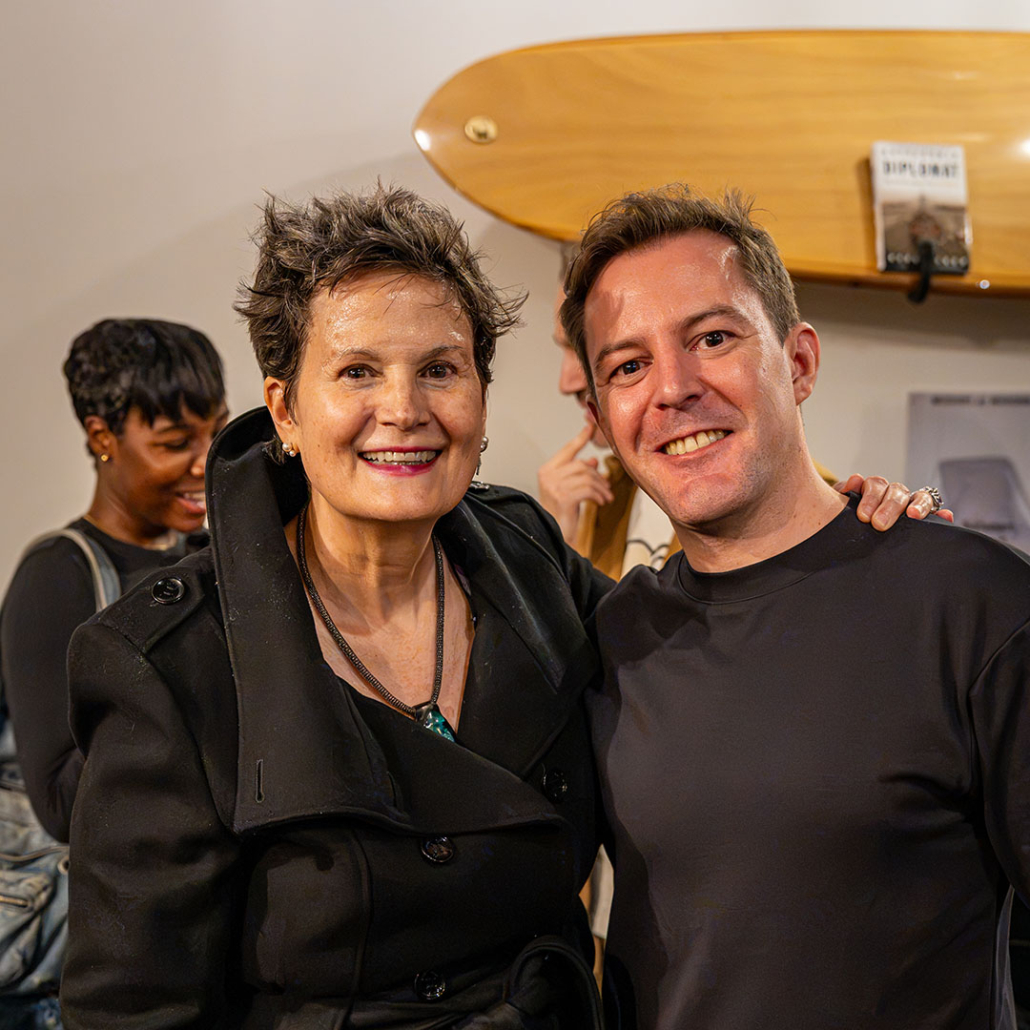
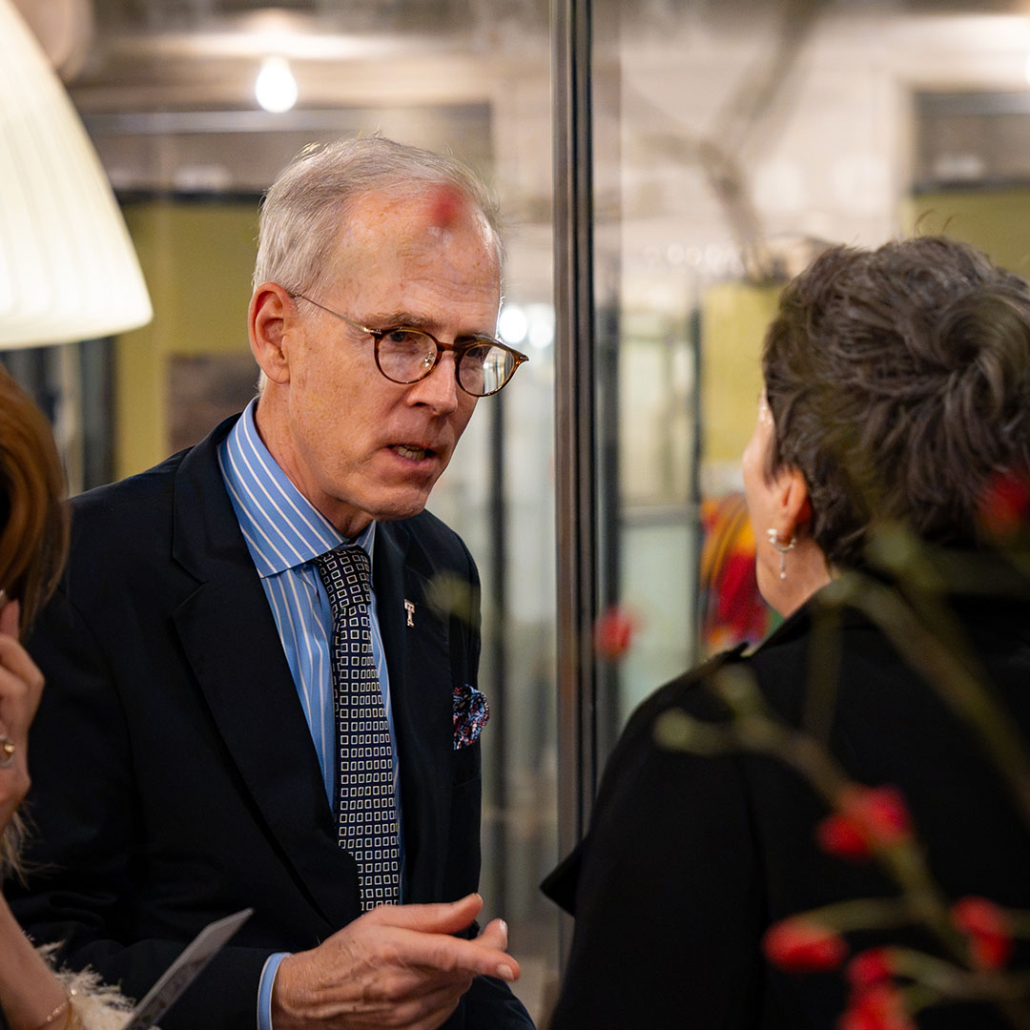
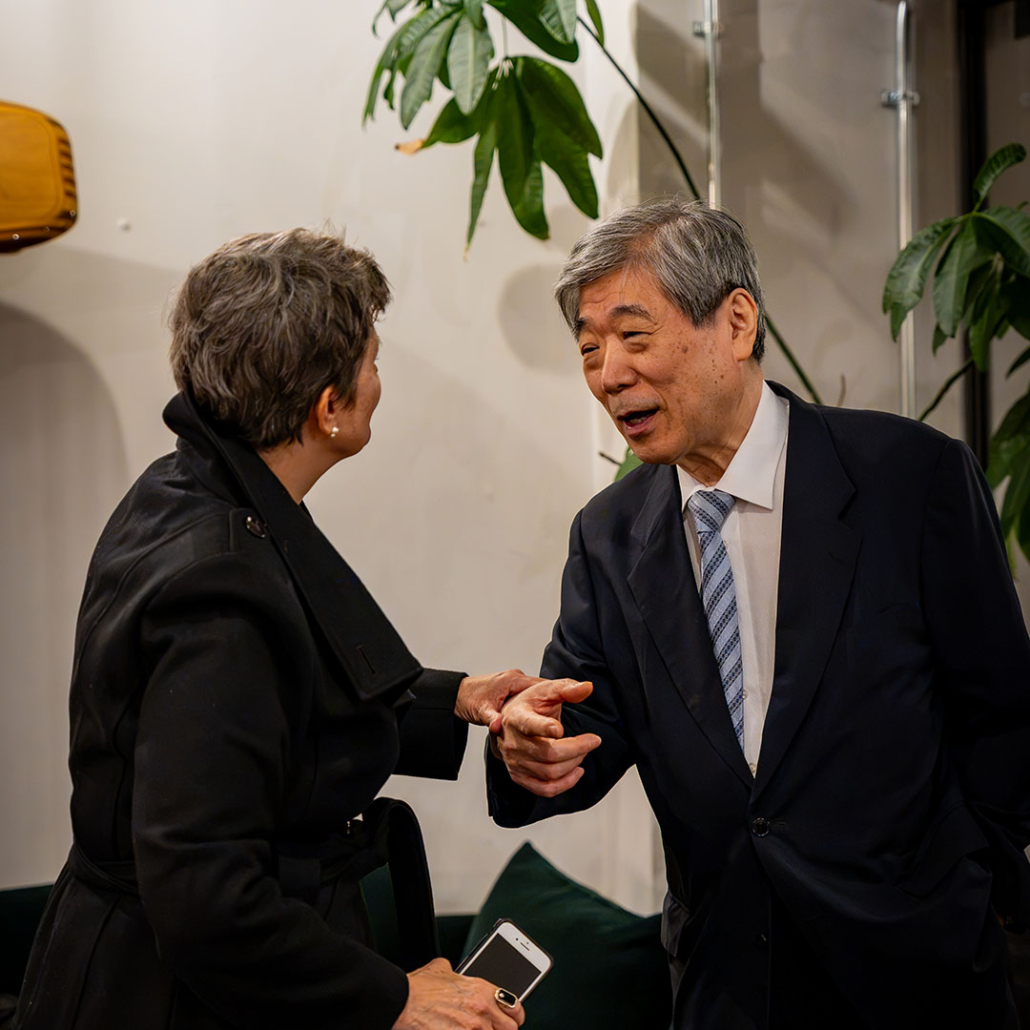
More than 50 guests gathered at MIDORI.so Nagatacho in central Tokyo for an evening of history, diplomacy, and conversation. Among them was Her Excellency Viktoria Li, Ambassador of Sweden to Japan.
Tokyo was a fitting first port of call for the book’s launch. Dr. Snow has made Japan her home for well over a decade. For her, the story of the USS Missouri cannot be separated from the history and relationships that connect Japan and the United States.




The Ship Where a War Ended, and a New Chapter Began
The USS Missouri is best known as the battleship aboard which Japan formally surrendered on September 2, 1945, bringing World War II to an end. Battleship Diplomat argues that this was a beginning as well as an ending. The book draws on accounts never before reported in print to tell the story of what came next.
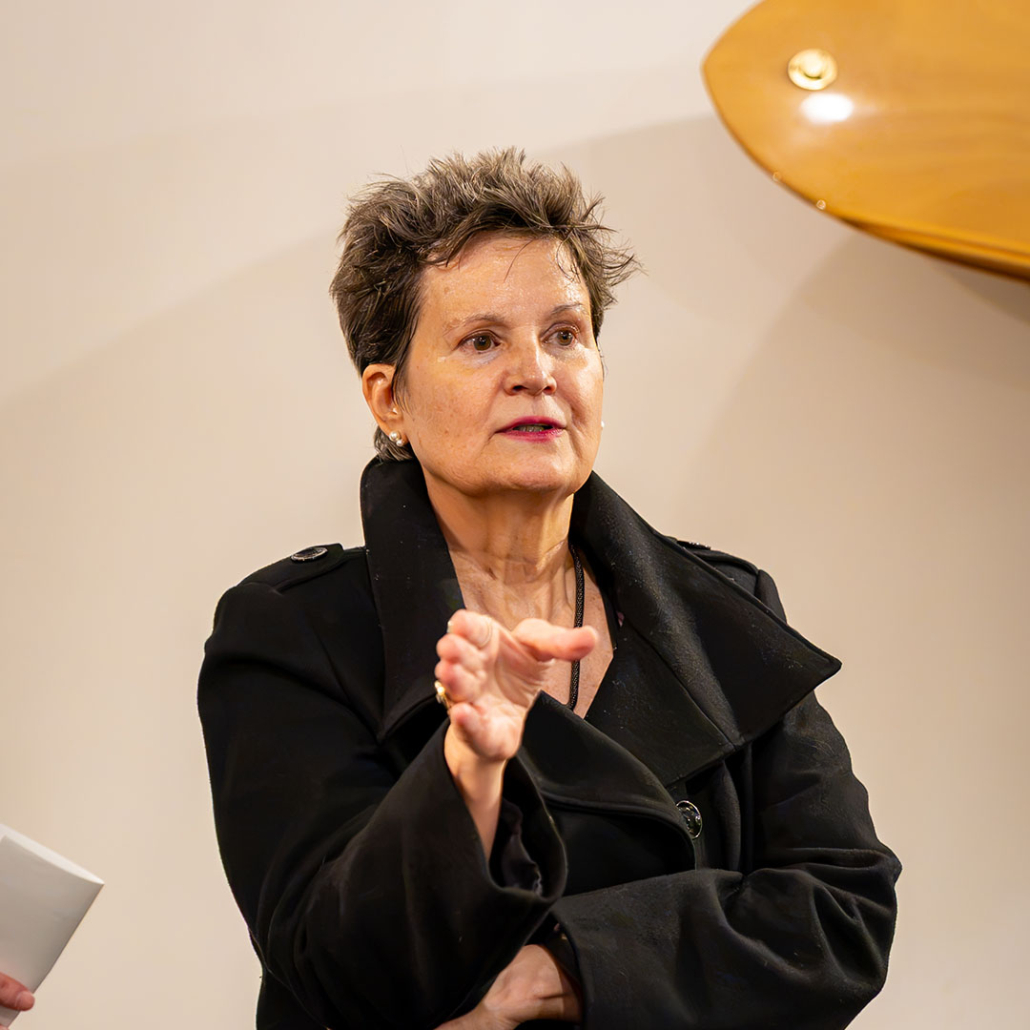
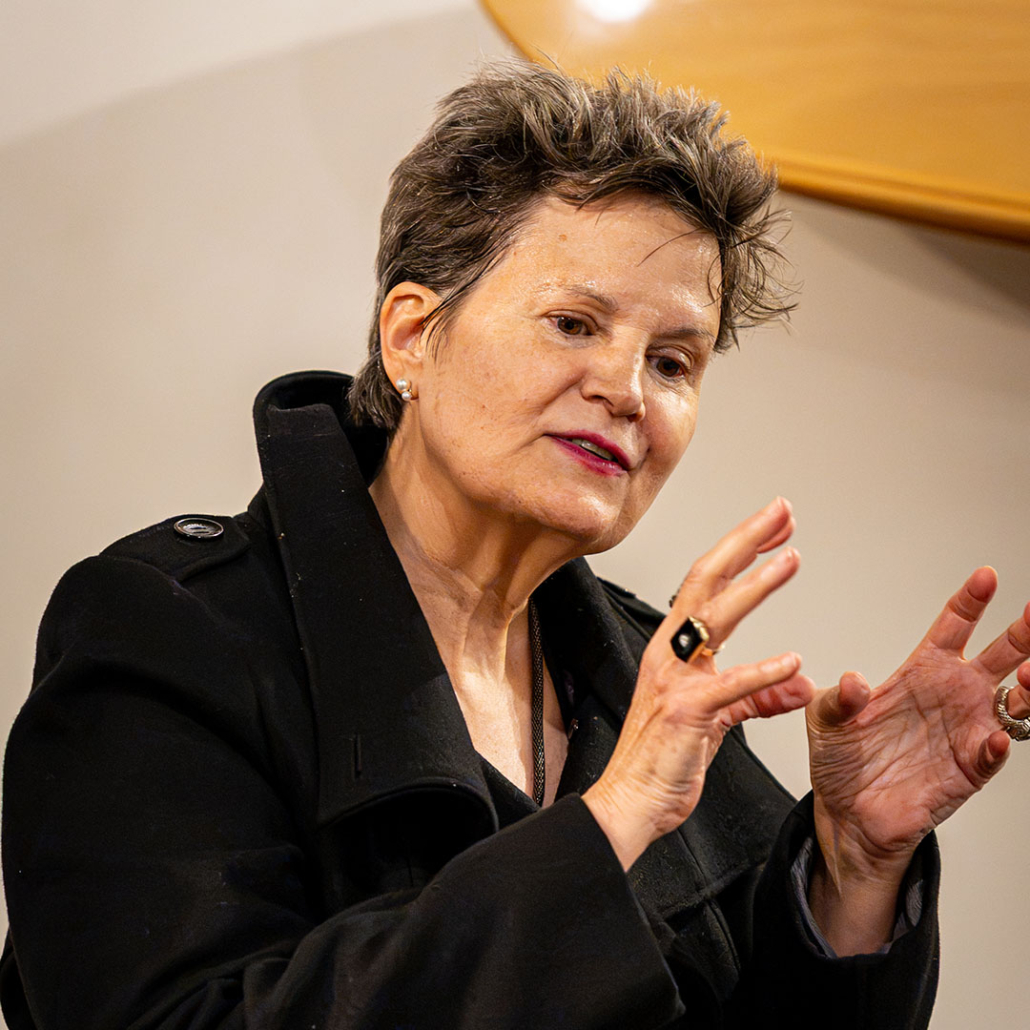
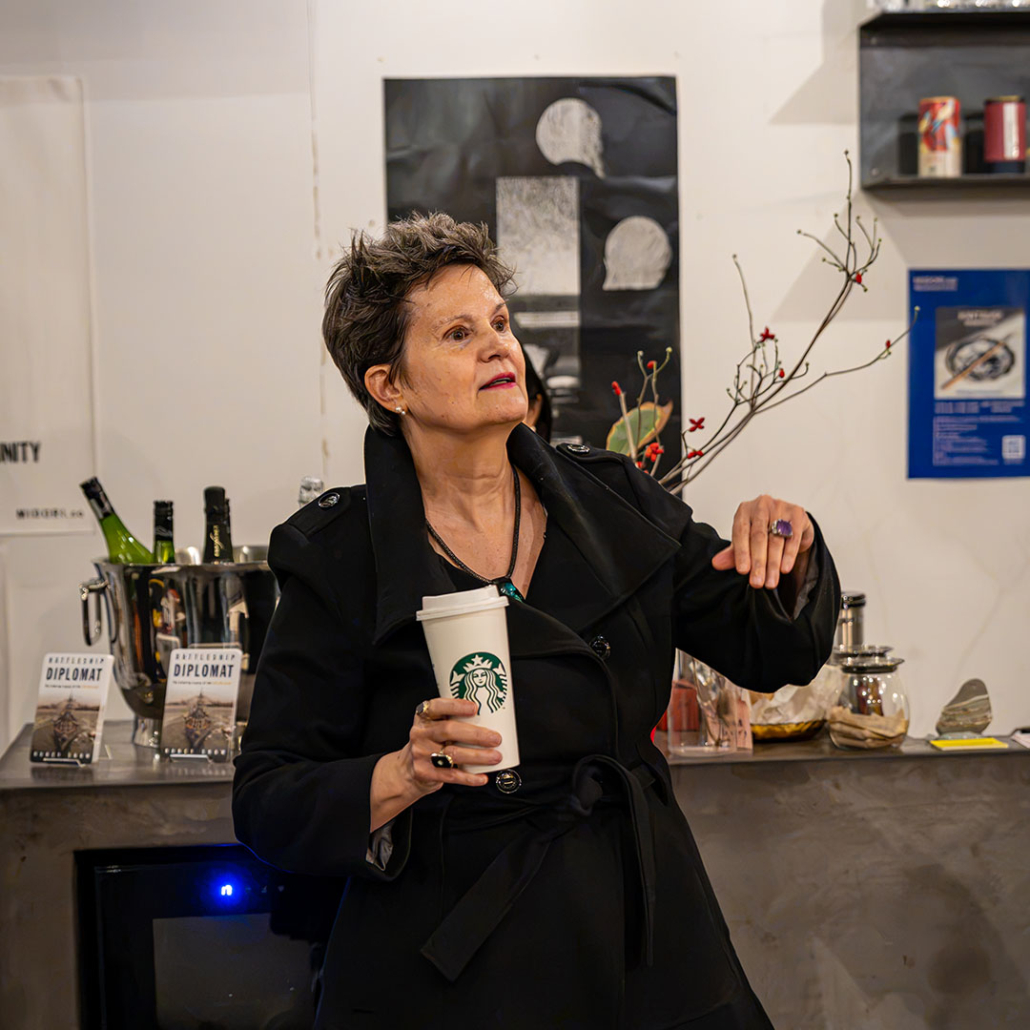
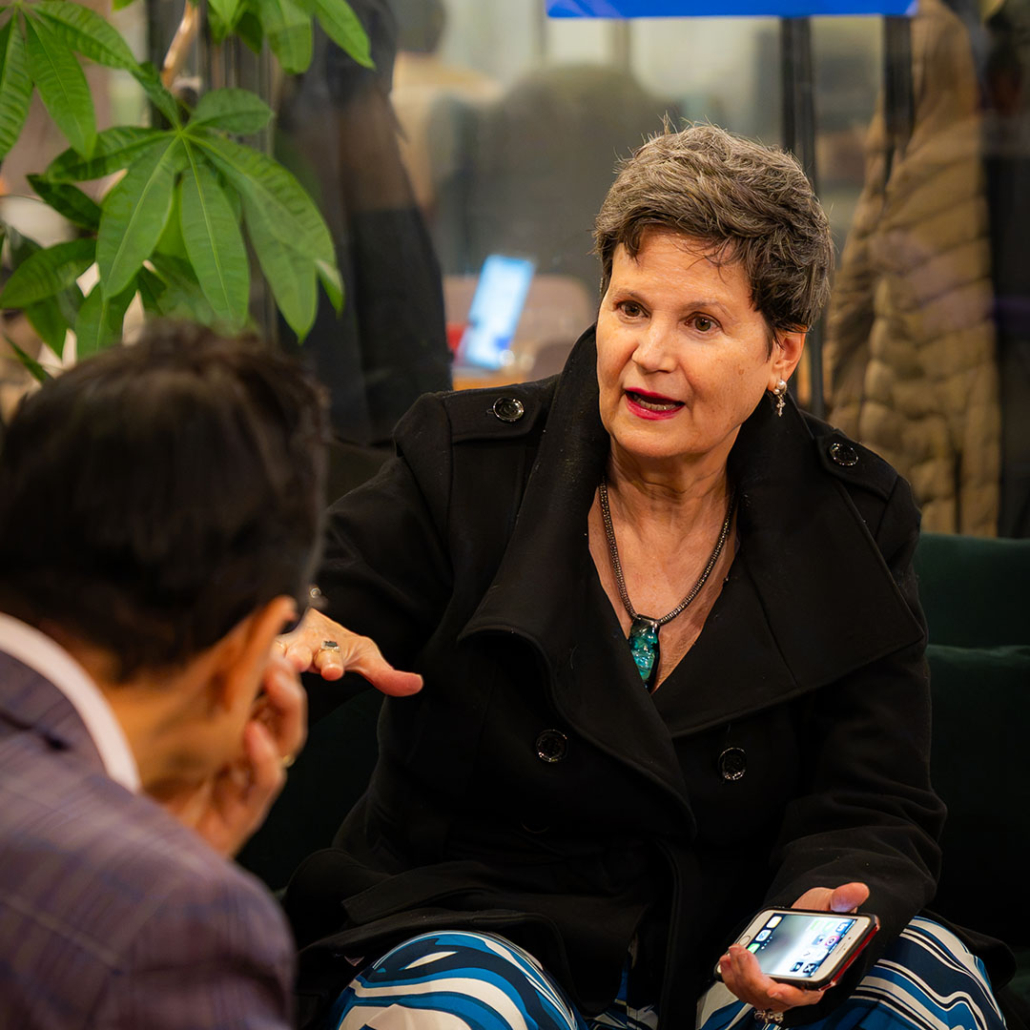
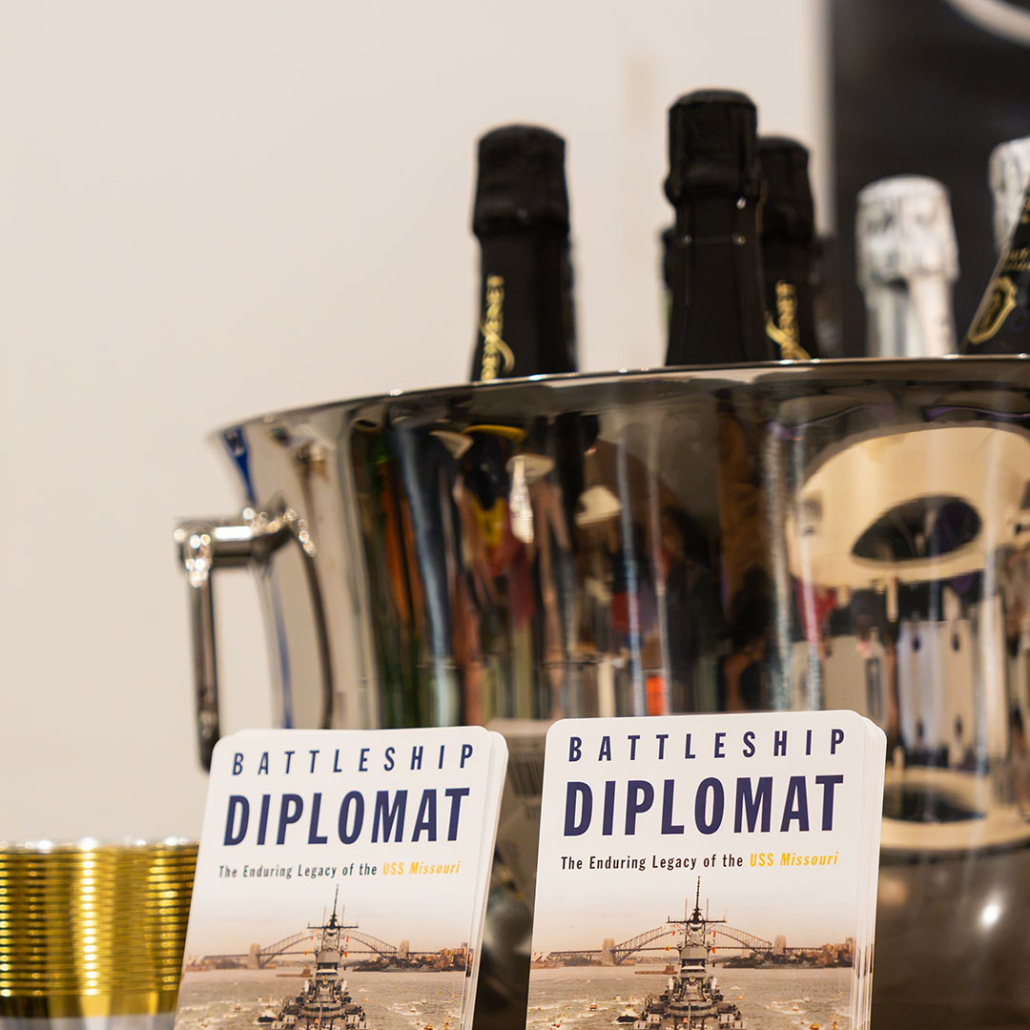
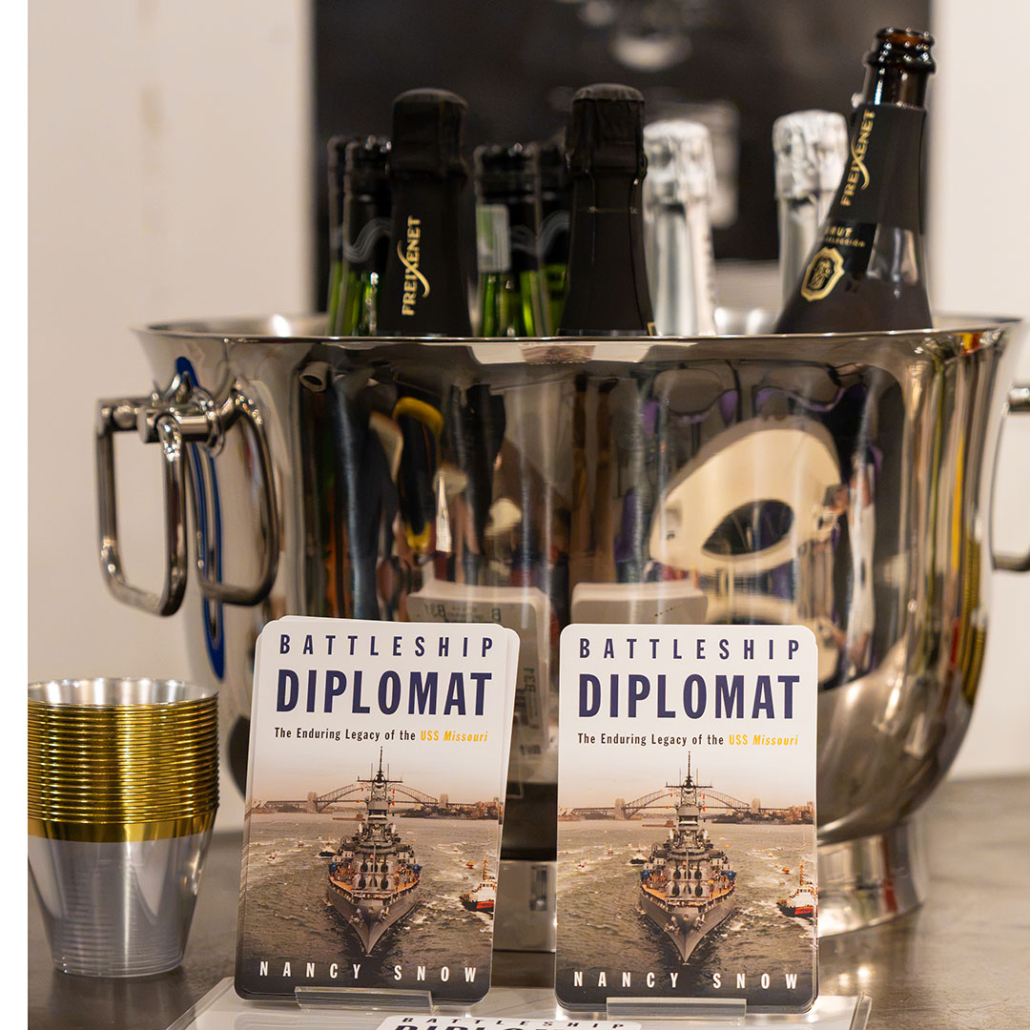
The evening opened with a reception and toast, followed by a conversation between Dr. Snow and Parthenon Japan CEO Parker J. Allen about the history behind the book.
Dr. Snow recounted how, just seven months after the surrender ceremony, the USS Missouri set out on a diplomatic mission to the Mediterranean. In April 1946, the battleship arrived in Istanbul carrying the remains of Münir Ertegün, the late Turkish Ambassador to the United States, for burial in his homeland. Tens of thousands of people lined the Bosphorus to watch her arrive, and The New York Times covered the visit.
The voyage was more than a ceremonial gesture. With Soviet pressure mounting on Turkey and Greece, the USS Missouri’s presence carried a clear message. Her visit to Piraeus, Greece, along with stops in Naples, Algiers, and Tangier, showed how a warship could serve as an instrument of diplomacy as well as military power. These visits were major international events at the time. Today, outside naval and diplomatic history circles, they have largely faded from public memory. Recovering that story was one of Dr. Snow’s reasons for writing the book.
The USS Missouri’s diplomatic role continued. In September 1947, President Harry S. Truman traveled aboard the battleship on his return from the Rio Conference in Brazil, joined by First Lady Bess Truman and their daughter Margaret, who had christened the ship at the Brooklyn Navy Yard. The USS Missouri became known as “Truman’s yacht.”
The book also profiles the diplomats connected to the ship’s story, including Ambassador Joseph Grew, who served as U.S. Ambassador to Turkey and later to Japan until the outbreak of the Pacific War.
From there, the book follows the USS Missouri through the Korean War, three decades in reserve, her return to service during the Reagan administration, and her final combat deployment in the 1991 Gulf War. Today, preserved as a museum ship at Pearl Harbor, Hawaii, she welcomes visitors from around the world to learn her storied history.
A Personal Connection to History
For Dr. Snow, the story is also personal.
Her father served aboard the USS Missouri from March to May 1946, during the same Mediterranean goodwill voyage that became central to her research. She learned of his service in 2005, the year of his passing, when she contacted the USS Missouri Memorial Association about visiting the ship.
As a scholar of public diplomacy, soft power, and strategic communication, Dr. Snow came to see her father’s service in a new light. He had taken part in what we would now recognize as an extraordinary exercise in public diplomacy. Her father’s experience and her own life’s work had unexpectedly converged.
The book’s preface tells this family story. The rest of Battleship Diplomat is a carefully researched account of the ship’s place in diplomatic history, written for anyone who loves diplomacy, history, and the sea.
Why Battleship Diplomat?
Asked about the title, Dr. Snow said the contradiction is the point.
We tend to put military power in one box and diplomacy in another. The USS Missouri fits neither. A battleship entering a foreign harbor communicates without firing a shot. Who stands on the dock, who comes aboard, what ceremonies take place, and what the newspapers say all send a message to allies, adversaries, and ordinary citizens. The USS Missouri could fire sixteen-inch guns, but sometimes her most consequential message came simply from showing up.
Dr. Snow said she hopes readers will come away seeing diplomacy differently: not only at negotiating tables and inside embassies, but through people, symbols, ceremonies, and journeys. She also encouraged guests to record their own histories and tell their own stories.
An Evening of Conversation and Connection
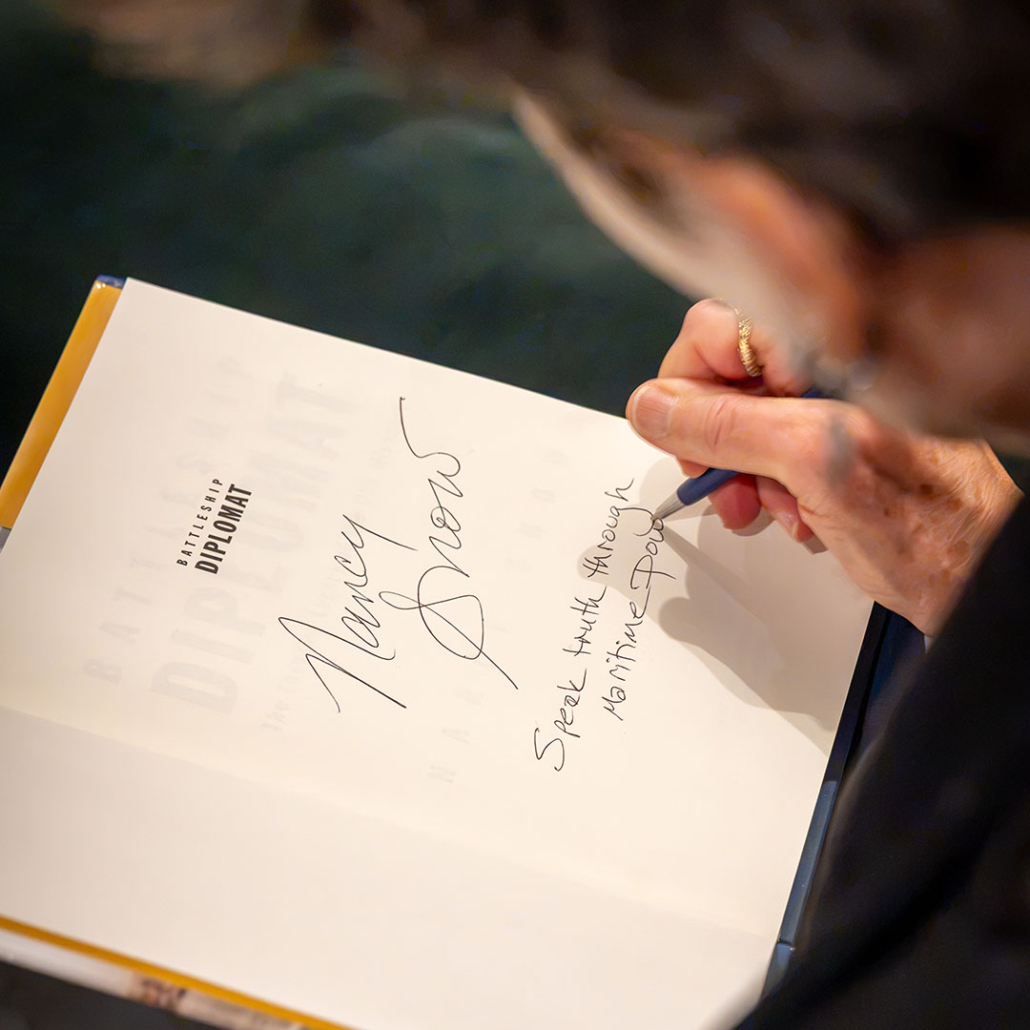
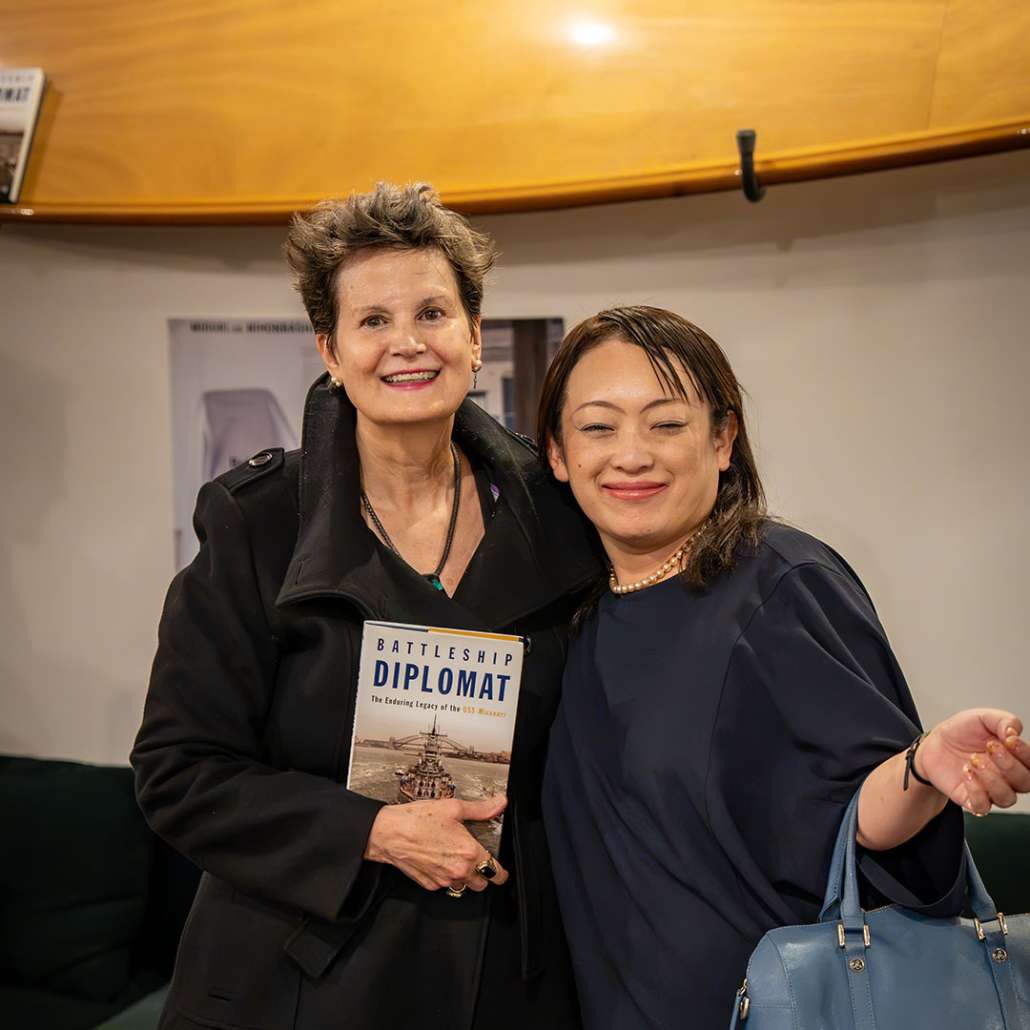
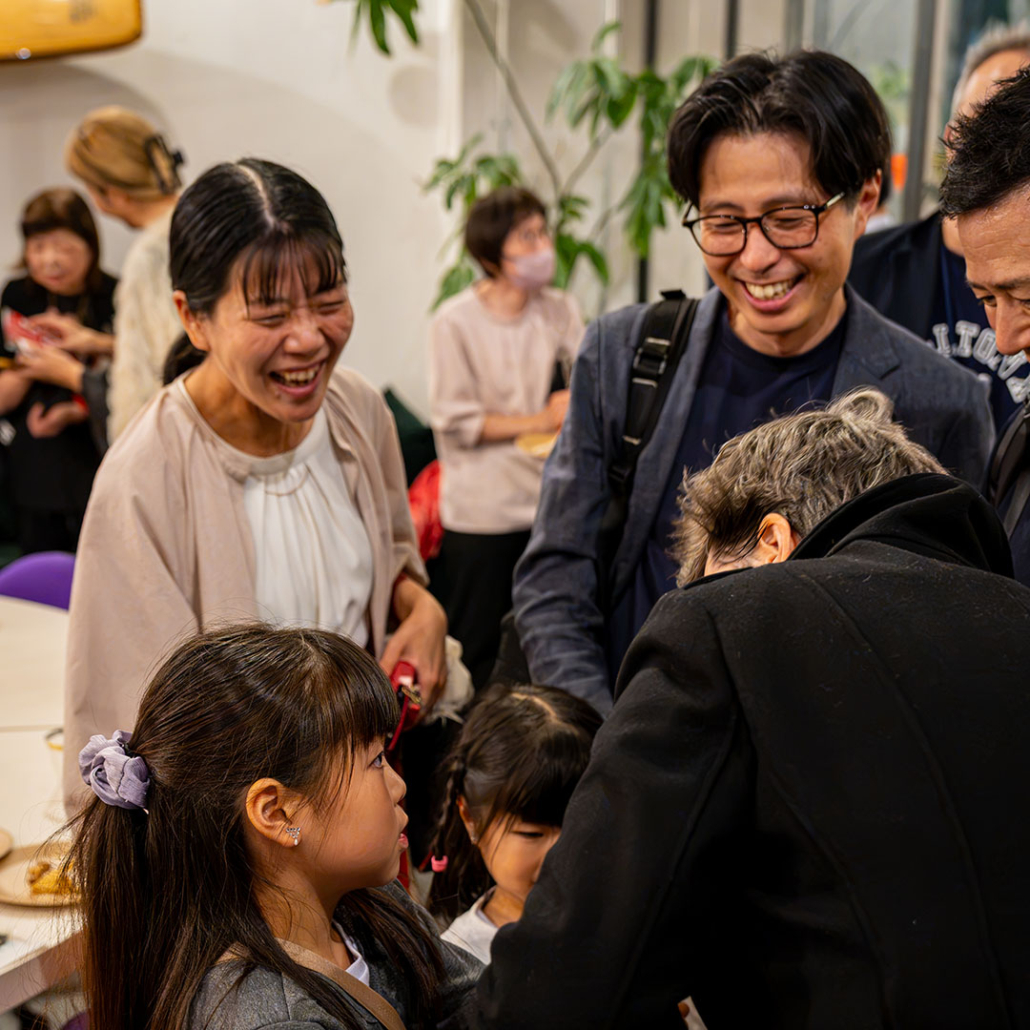
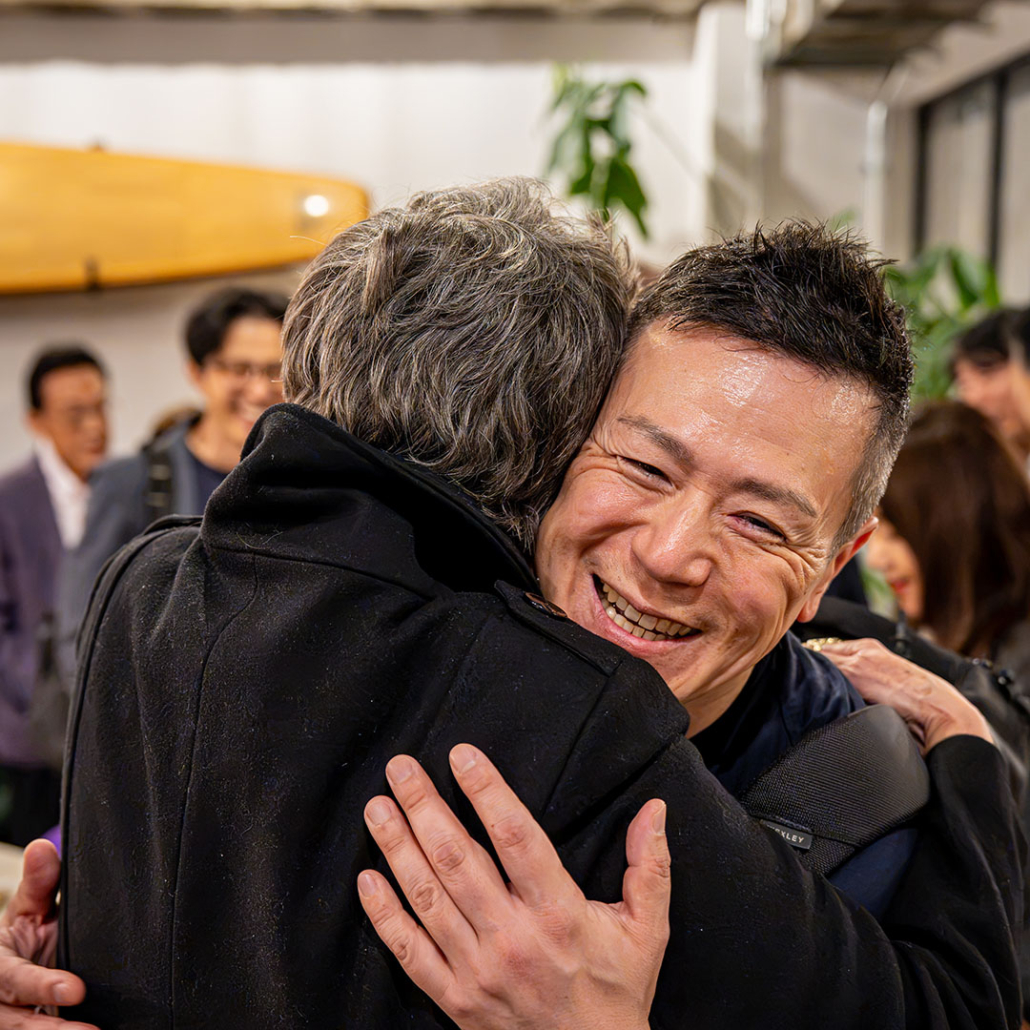
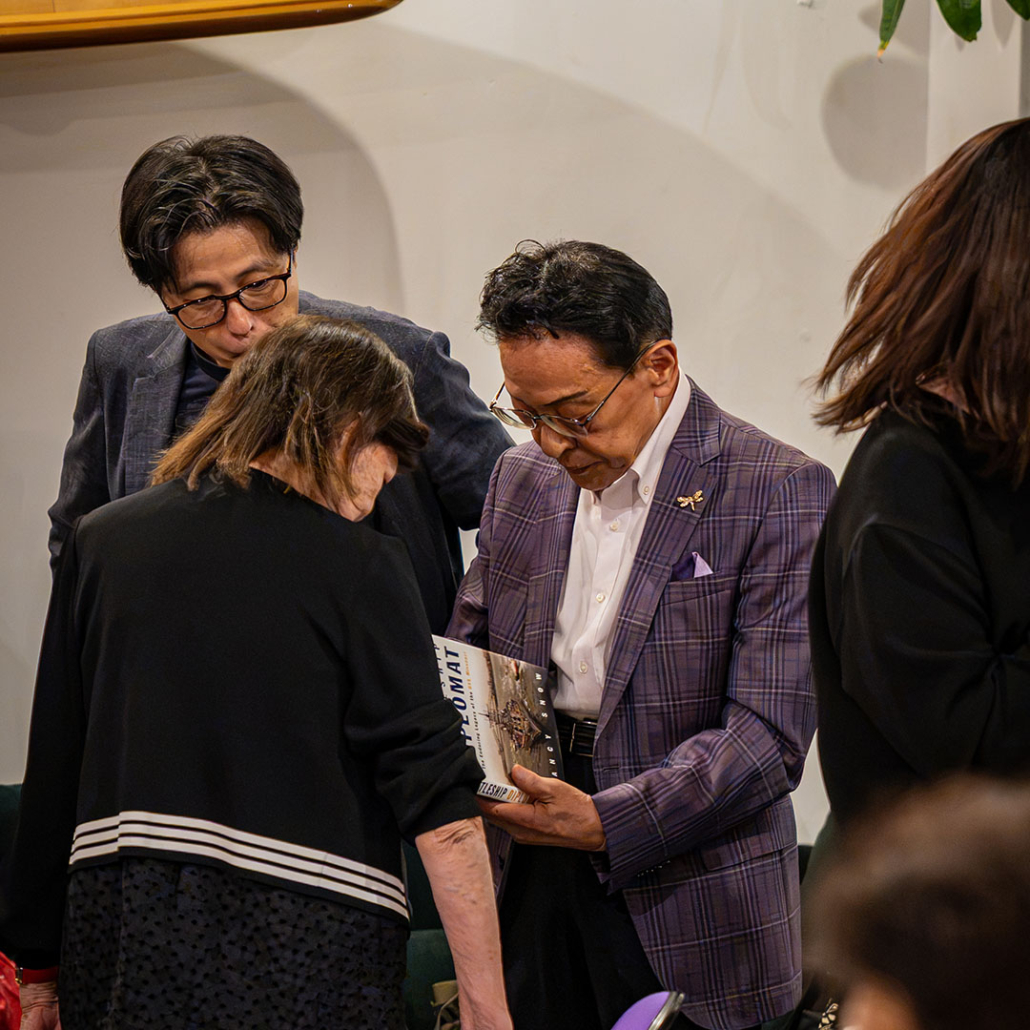
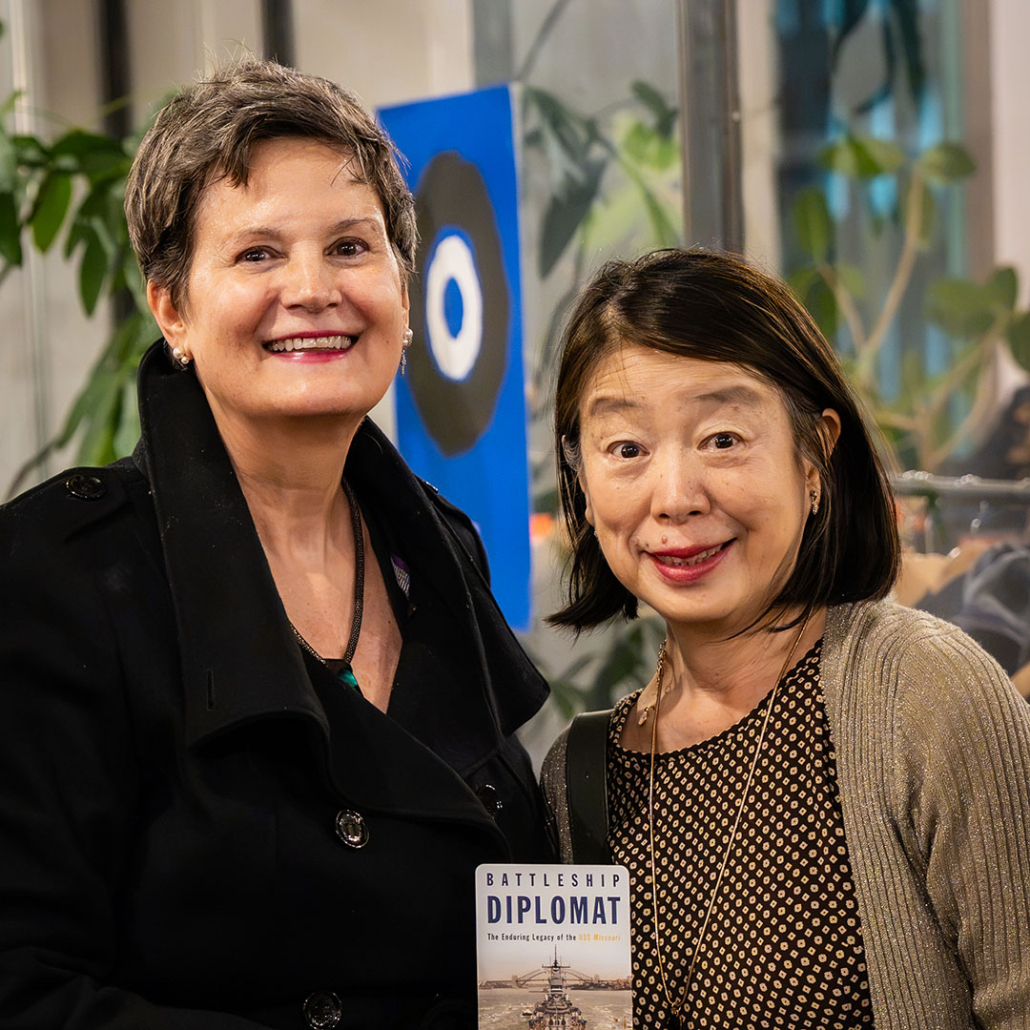
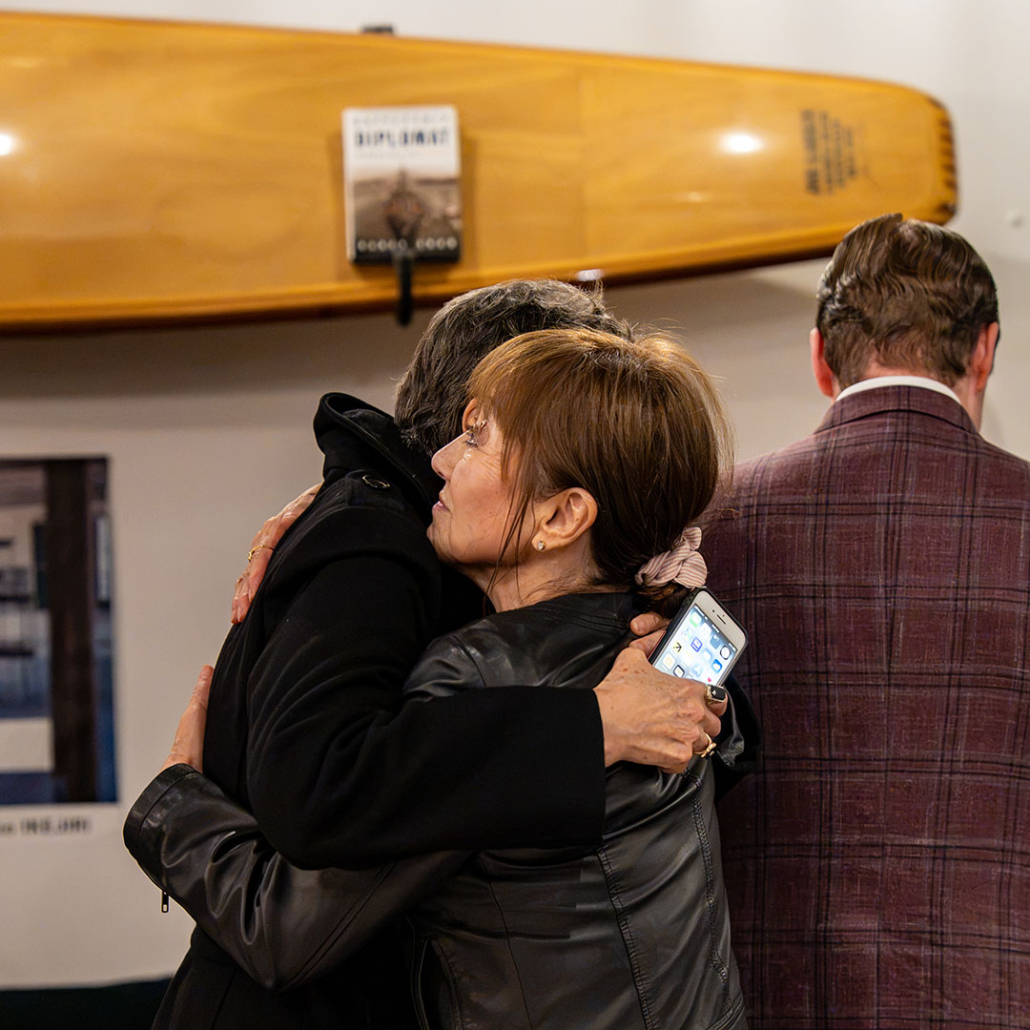
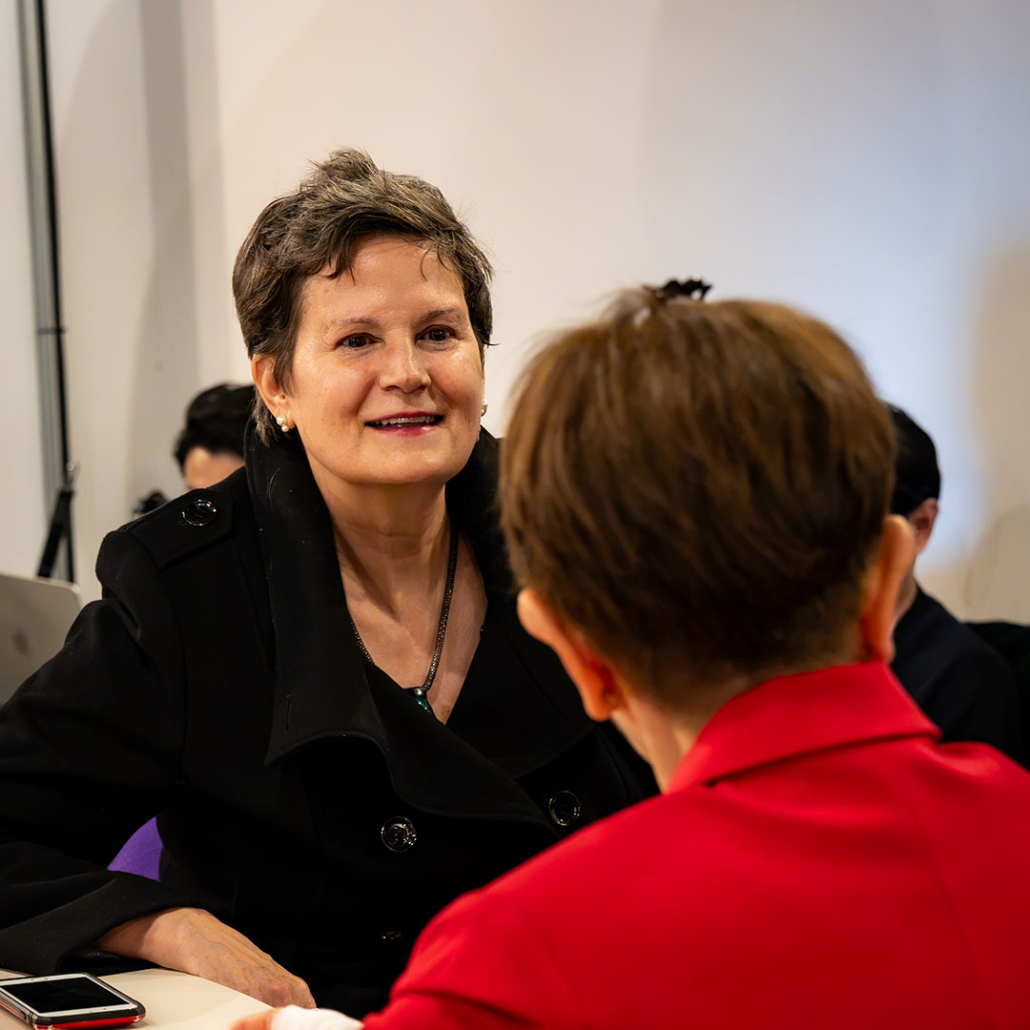
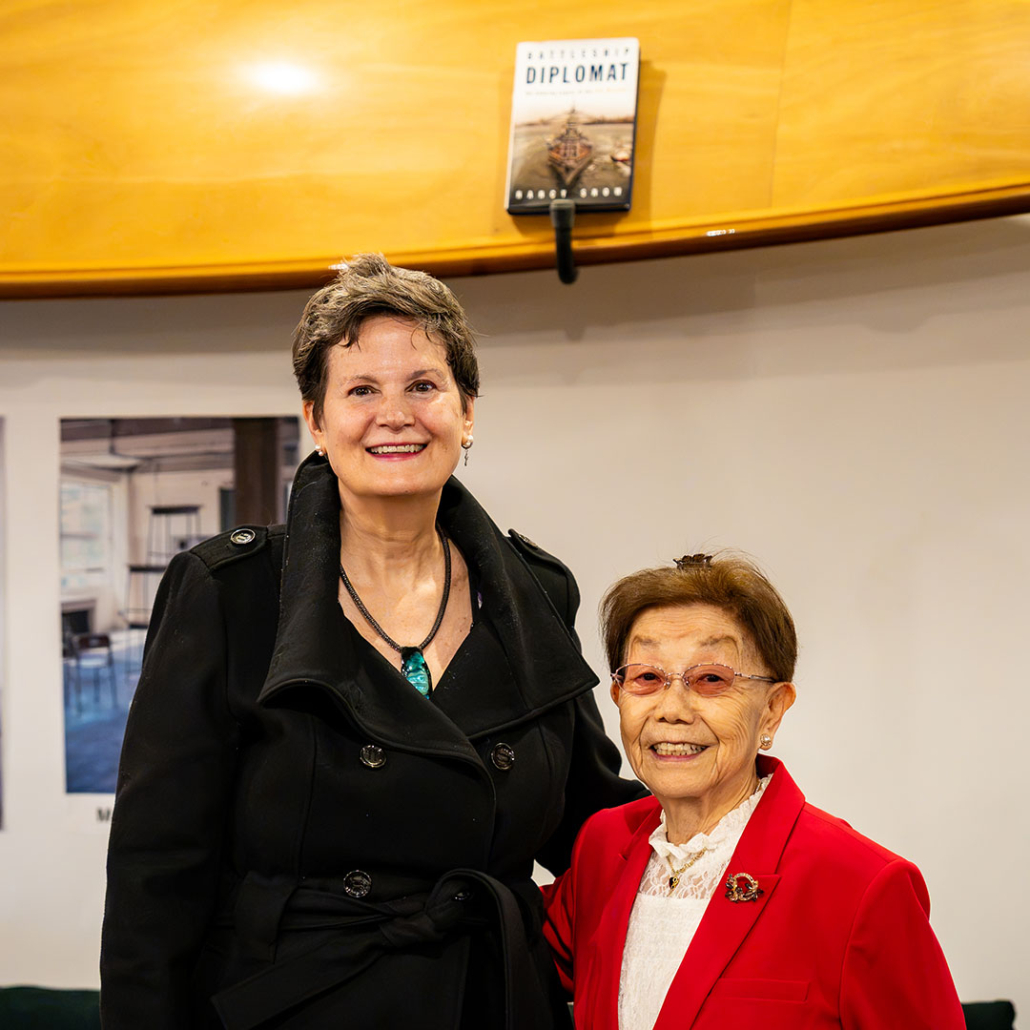
The talk concluded with a drawing for a signed copy of Battleship Diplomat, won by intercultural communications consultant Yuko Baba. Guests carried the conversation well into the evening.
Parthenon Japan was honored to bring together friends, colleagues, and members of Tokyo’s international community to celebrate Dr. Snow’s work. More than eight decades after the USS Missouri anchored in Tokyo Bay, the “Mighty Mo” still has much to teach about history, diplomacy, and the people who connect nations.
About the Book
Battleship Diplomat: The Enduring Legacy of the USS Missouri, by Dr. Nancy Snow, is published by Naval Institute Press and available on Amazon Japan.
