
The Average TikTok User in Japan Is 34. Has Your Strategy Noticed?
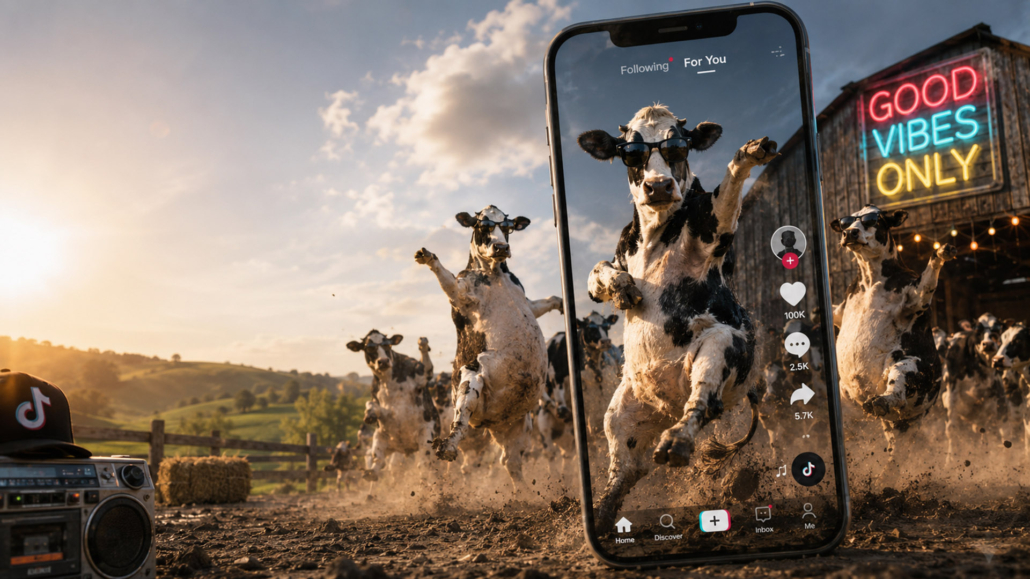
If you look at the Japan marketing plan of most companies, TikTok is probably filed under “youth.” It is an easy assumption. The platform built its reputation on dance challenges and teenagers, and most media coverage still treats it that way. In Japan, that assumption is completely wrong. That misunderstanding is costly, because TikTok is no longer just where young people spend time. In Japan, it is increasingly where adult consumers notice brands, begin to trust them, make comparisons, and decide on purchases.
Reality Check: The average TikTok user in Japan is 34 years old.
Not fifteen. Not nineteen. 34. In their prime earning years. TikTok reports 39.2 million reachable users aged 18 and over in Japan, more than one in three Japanese adults, which excludes teenagers entirely. That adult audience grew by nearly 50% from 2024 to 2025, the fastest of any major platform in the country. Over half of Japanese users say they open the app almost every day.
More than 60% of Japan’s TikTok users are over 30 years old. In the United States, that figure is under 40%. Hakuhodo’s consumer research has measured the average user age as high as 36. TikTok is not for Japanese kids, it’s a mainstream medium that advertisers should not overlook.
Even Google itself has admitted this shift. Roughly 40% of 18 to 24 year olds now go to TikTok or Instagram instead of Google Search or Maps when they want something as simple as a place to eat lunch.
Google still processes an estimated 5 trillion queries a year. Search is not going anywhere. But the starting point of the customer journey has moved, and many brands in Japan still have not taken notice.
This piece explains what changed, why Japan is particularly fertile ground for it, and ends with five concrete moves you can make to catch user attention.
What’s The Big Deal?
For much of the internet’s history, finding information followed a predictable pattern. If you wanted to know something, you searched for it. Whether buying a computer, planning a holiday, or looking for the best ramen nearby, your journey almost always began with a search. You typed in a question, browsed a few websites, compared the results, and made a decision.
Google built an empire by making this process simple. It organized an overwhelming amount of information and helped people find reliable answers instantly. Google now dominates global search, and has shaped the way we experience the internet.
But that’s not the end of the story.
Now, ideas find you before you go looking for them.
Instead of waiting for you to express an interest with a search query, platforms increasingly introduce ideas that feel relevant to you. A recommendation appears in your feed, catches your attention, and eventually turns into your genuine curiosity.
That difference changes almost everything about how people discover products online. Today, the internet comes to you and passively influences your purchase decisions.
The Customer Isn’t Searching. They’re Scrolling.
The difference between Google and TikTok is baked into user psychology.
You’re looking for a new coffee machine. On Google, you compare prices, read reviews, look at specs, and weigh up the different options. The search helps you make an informed decision. But you don’t buy one that day.
A few days later, you are scrolling through TikTok. Someone posted a morning routine video featuring the hottest new coffee maker. Another creator shares their recipe using the same model. A third compares several machines side by side, with people recommending their own favorites in the comments, including that one.
Ten minutes later, you are reading reviews for that same machine. Then you buy it on Amazon. The purchase journey began with a recommendation that sparked your interest.
Search serves your interests. Discovery creates new interests.
This is one of the biggest differences between search and discovery. Search engines help you explore interests you already have. Discovery platforms introduce interests you did not know you had yet.
In February 2026, Adobe’s research on search behavior found that 49% of American consumers have used TikTok as a search engine. Small business owners Adobe surveyed now put 15% of their SEO budgets toward TikTok search optimization. The search bar now has competition, and it comes from the feed.
This marks a fundamental change in online consumer behavior.
The Algorithm Knows You Better Than Your Google Searches
Search engines rely on keywords. Recommendation platforms rely on behavior patterns.
Every video you watch, every replay, every comment, every share, and every saved post gives the platform another clue about what you might enjoy next. Over time, your feed becomes personalized, reflecting your interests in ways that can feel surprisingly accurate.
Have you ever seen hundreds of videos of classic cars, vintage fashion tips, and 2000’s hiphop videos in rapid succession? Apparently social media has found me out.
Open TikTok on two different phones and you will see two completely different experiences. One person’s feed might be filled with travel recommendations, architecture, and productivity advice. Another person’s feed may revolve around sports highlights, political views, and comedians.
This personalized experience has changed the way information spreads online. Instead of everyone consuming the same news headlines or trending topics, people increasingly discover ideas through ad hoc communities built around shared interests. A single recommendation can spread quickly within one community while remaining invisible to another. Don’t you know how to change your car’s oil filter? I’ve seen it done 100 times.
Capturing attention is now easier. Holding it is much harder.
For businesses, this creates a huge opportunity. Advertising budgets still matter, but they are no longer the only path to visibility. Small companies can reach millions of people if they create content that clicks with the right audience.
At the same time, everyone else is also fighting for the same few seconds of attention.
The Feed Killed the Website
Using the internet used to be a user-led journey. You visited specific websites, subscribed to channels you liked, and searched for information whenever you needed it.
You probably still feel like you’re in control. You’re not.
You open an app, begin scrolling, and recommendations appear immediately.
TikTok users spend an average of around an hour each day on the platform, creating hundreds of opportunities for its recommendation algorithm to introduce new ideas, products, and creators without a single search query. Within a few minutes you have gone down new rabbit holes and picked up new ideas that you didn’t ask for.
The feed has taken over much of the discovery role that regular websites and landing pages used to play. This change extends far beyond TikTok. Instagram Reels, YouTube Shorts, Netflix, Spotify, Amazon, and LinkedIn all rely heavily on recommendation systems to decide what you see first. These platforms analyze your behavior and make surprisingly accurate predictions about what will capture your attention. If you’re reading this, I gotcha!
Algorithms now make the editorial decisions editors once did.
Newspapers rely on editors to choose the stories that appear on the front page. Television producers decide which programs air during prime time. Magazine editors select the articles they believe readers would enjoy most. Today, most of the world’s viewing decisions are made by algorithms that process billions of behavioral signals, constantly.
Ideas spread differently now. Visibility depends less on publication schedules or follower counts and more on whether people choose to pause, engage, and share what they see.
Success depends on more than simply appearing in search results. It depends on creating content that people willingly spend time viewing, want to share with others, and remember long after the initial discovery.
Nobody Opens TikTok to Watch Your Ad
More than a billion websites exist across the internet, yet the average person visits only around 130 webpages in a day. Algorithms determine which small slice of the internet reaches your attention. With so much competing for it, visibility alone is no longer enough. The real challenge is creating something that makes people respond to your call to action.
When you open TikTok, you probably aren’t looking for an ad. You are looking for something that makes you laugh, teaches you something new, or simply helps you relax.
The TikTok ad’s goal isn’t to interrupt the experience. It’s to become part of it.
Successful advertisers understand this. Instead of treating TikTok like another ad channel, they approach it as a place to entertain, educate, or inspire.
This does not mean every company needs to do dance routines in the office or use the latest Gen Z slang. Those moments often feel forced because they prioritize trends over personality. Audiences are good at recognizing when a brand is trying to “look cool”.
Those who perform well on TikTok usually take a simpler approach. They find stories that genuinely exist within their business and present them in ways that people enjoy watching.
A small cafe might capture the peaceful atmosphere of a rainy afternoon as customers drift in for coffee. A confectionery could film artisans shaping sweets by hand. A stationery company might showcase the satisfying sound of fountain pens gliding across paper. Even a manufacturing business can reveal the precision and craftsmanship behind a production process that most people would never normally see.
None of these videos feel like traditional advertising. Instead, they invite people into an experience. Viewers leave remembering the feeling the content created, and the brand becomes part of that memory.
Attention has become one of the internet’s most valuable resources. The brands that earn attention consistently are not the ones posting the most content. Instead, they are the ones that understand what people actually stop to watch.
Google Delivers Answers. TikTok Delivers Vibes.
One of the reasons discovery platforms have become so influential is the way they present information.
Search engines are incredibly effective when you know what you are looking for. They organize facts, rank websites, and help you compare options as efficiently as possible.
Planning a trip to Japan illustrates this perfectly.
A Google search gives you practical information almost immediately. You will find train routes, hotel ratings, admission prices, restaurant reviews, and detailed travel guides. Everything you need is there, well organized and ready to compare.
TikTok offers a different experience. Instead of reading about Kyoto, you might watch someone cycling through quiet streets just after sunrise. They stop at a tiny cafe hidden between two apartment buildings before ending the day beside the Kamo River at sunset.
You’ve started imagining yourself there.
That emotional connection plays a much larger role in decision making than users often realize.
When you are considering a destination, a product, or even a new hobby, you are rarely thinking only about features or specifications. You are imagining what your own experience might look like. Would you enjoy that cafe? Would that backpack suit your lifestyle? Could you picture yourself visiting that hidden beach?
Stories help answer those questions in ways that facts rarely can. This is one reason creator content often feels so persuasive. You are watching someone use a product in real life, navigate a new city, or solve an everyday problem.
Discovery becomes less about collecting information and more about building a connection. That is what makes platforms like TikTok so influential. They do not simply help you learn. They help you imagine yourself doing the thing.
The “TikTok Made Me Buy It” Era
Few internet phrases capture modern consumer behavior better than “TikTok made me buy it.” What began as a light-hearted joke has become a surprisingly accurate description of how many purchasing decisions are made today.
At first glance, it sounds like impulse buying. In reality, it reflects a much bigger shift in how people build trust.
Advertising follows a simple formula. Brands create campaigns that highlight why a product is worth buying, and consumers decide whether they believe the message. Television commercials, magazine spreads, billboards, and banner ads all work in essentially the same way.
Today, that conversation often starts somewhere else.
By the time they buy, it feels like their own research.
Trust develops over a period of time. Very few people make a purchase after watching a single video. Instead, confidence grows through repeated exposure. Each creator adds another perspective, another review, or another real-life example. Over time, the product begins to feel familiar, and that familiarity often makes the final purchasing decision feel like your own.
This process looks remarkably similar to traditional word of mouth, only on a much larger scale. People have always trusted recommendations from friends, family, or colleagues because those suggestions feel genuine. Social media has expanded that dynamic. Today’s recommendations can come from creators you have followed for years, niche communities that share your interests, or complete strangers whose experiences happen to feel relatable.
That distinction matters because consumers rarely buy products alone. More often, they buy into the lifestyle, routine, or feeling that surrounds them. A travel destination becomes appealing because you can picture yourself walking those streets. A skincare product becomes desirable because you can imagine adding it to your morning routine. A notebook becomes more than stationery because it represents creativity, organization, or a fresh start.
The product itself is only part of the story. The experience around it is what people remember.
Discovery has not replaced trust. It has simply changed how trust is built.
Japan Was Built for the Discovery Era
This evolution feels particularly relevant in Japan, for two reasons.
The first is that the audience has already moved. Nearly 40 million Japanese adults are on TikTok, the average user is in their mid-thirties, and TikTok Shop’s launch in Japan in mid-2025 connected discovery directly to purchase. The platform many foreign executives still dismiss as a Gen Z novelty has become retail infrastructure.
The second is that Japanese culture is well suited to this shift. Japanese brands have long been recognized for their craftsmanship, attention to detail, and ability to create memorable customer experiences. Whether it is a family-run restaurant, a centuries-old ryokan, or a global manufacturer, many businesses place enormous value on quality and authenticity.
The challenge isn’t the product. It’s making the story sharable.
Discovery platforms create new opportunities to tell those stories.
Take a traditional ryokan as an example. A website can describe peaceful surroundings, seasonal cuisine, and attentive hospitality, but a thirty-second video often communicates those qualities far more effectively. Morning light filters through shoji screens. Breakfast is carefully prepared by hand. Steam rises from an outdoor onsen. Without a single sales message, you have already created an impression of what staying there might feel like.
The same principle applies to a neighborhood cafe. Describing coffee as “premium” says nothing. Watching the owner carefully grind the beans, steam the milk, greet customers, and serve each cup with gusto creates a far more persuasive impression. The experience becomes tangible.
This opportunity extends well beyond hospitality and tourism. Manufacturers can reveal the precision behind their production processes. Traditional artisans can document techniques that have been passed down through generations. Retailers can showcase how seasonal collections are developed, while B2B organizations can highlight the people, expertise, and innovation behind their work. Humans are naturally curious about how things are made. They enjoy seeing the craftsmanship behind the finished product.
Consumers value transparency. They enjoy seeing the people behind a business, the process behind a product, and the small moments that rarely appear in usual advertising. Organizations that embrace this shift build stronger relationships because they are inviting audiences into their world, not just trying to make a sale.
For foreign brands entering this market, the implication is direct. A Japan strategy that consists of a localized website and a search campaign now only covers part of the user journey.
Five Moves for Brands Ready to Leverage TikTok in Japan
So, what should brands actually do? My recommendation is to get started with some basic analysis that can turn TikTok into a viable marketing channel in Japan.
1. Audit your discovery footprint before you build anything.
Search your brand, your category, and your competitors on TikTok in Japanese. You will find one of three things: user content you never knew existed, a competitor already owning your category, or nothing at all. All three tell you something your search analytics cannot, and the audit is easy.
2. Treat TikTok as a search channel, not just a content channel.
Japanese users search inside the app, and TikTok indexes captions, hashtags, on-screen text, and even the words spoken aloud in a video. Write them in the Japanese that customers actually use, not a translation of English taglines. If your brand name has a settled katakana form, use it in every caption. This is basically SEO work.
3. Start with the stories you already own.
You do not need a viral concept. You need to use the content that your brand can create authentically. Pick one format you can produce consistently, commit to a sustainable cadence of two or three posts a week, and hold it for six months before judging results. Consistency beats cleverness, and an inactive account is not a good look.
4. Borrow trust from Japanese creators.
The trust mechanics described above run through creators, not brand accounts. Match on niche fit and audience overlap rather than follower count. A creator with 20,000 followers who genuinely represents your category will outperform a generic influencer with a million, and Japanese audiences are especially quick to spot a mismatch between creator and product.
5. Measure branded search, not just views.
In Japan the metric that matters is shimei kensaku, the branded searches people run after the content creates interest. If TikTok is working, people finish a video and Google your name, so watch how branded search volume and direct traffic move alongside your TikTok activity. And now that TikTok Shop is live in Japan, walk the full journey yourself: if a video leads to a poorly localized landing page, the circle is not closed.
None of this requires a massive budget. It requires showing up where the journey now starts, in the language your customers scroll in, with the stories you already have.
Search Is the Fact-Check. Discovery Is the Spark.
Search engines are always going to be highly relevant. Whether you are comparing products, checking opening hours, or looking for reliable information, search will continue to play an essential role in everyday life.
What has changed is that now, search fits into part of a more multifaceted user journey.
More often than before, your first interaction with a product or idea no longer begins with a search query. It begins while you’re scrolling.
Digital marketing success has long depended on appearing top of page when someone searched for your product or service. Search engine optimization, ads, and online reviews were all designed to help brands become visible upon a user query. This is still extremely important, but it is now part of a much larger picture.
Being memorable now matters as much as being searchable.
The reality is, people discover brands long before they visit a website or compare prices. They form impressions through creators, short videos, recommendations, and conversations that happen naturally within their feeds. By the time they decide to learn more, they may already feel familiar with the product or business.
Looking ahead, this trend is likely to become even more pronounced. AI and recommendation algorithms continue to shape how information is presented online, and digital platforms are becoming increasingly effective at surfacing content that feels personally relevant. Discovery is becoming more personalized with every scroll.
Ultimately, TikTok’s influence extends far beyond short-form video. It represents a broader shift in how people navigate the internet. Search remains essential, but it is no longer the starting point for every journey. As a result, discovery comes first, curiosity follows, and search fills in the gaps. That shift has changed how ideas spread, how trust is built, and how brands are found.
The internet has always been a place to help people find answers. Today, it also introduces questions we didn’t think to ask.
That is the golden opportunity for discovery-led platforms in Japan. They do not simply capture existing demand.
Create curiosity today. Become tomorrow’s impulse buy.
Responsible for growth in Japan and want digital marketing performance? Let’s talk!
Parthenon Japan’s team of bilingual communications strategists helps global teams translate strategy into measurable performance.
About the Author

Parker J. Allen is President & CEO at Parthenon Japan.
As a communications and strategy leader, he has served brands including Agoda, Air Canada, Olympus, Red Bull, Swiss Re, and Stryker among other global brands.

